










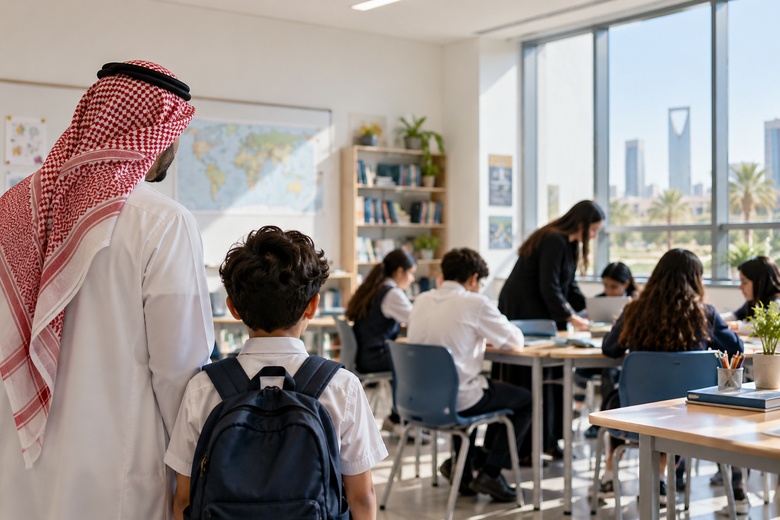
Choosing between Saudi international schools involves more than comparing facilities, curricula and university destinations. Parents also need to understand how schools track academic progress, support individual learning needs and communicate with families.
These questions are particularly important when families invest in premium school fees and expect a strong educational experience in return. A school’s approach to teaching, feedback and student support can reveal as much as its facilities or published results.
A recent article by education technology provider Tutopiya highlights six areas of parent expectations, from academic progress tracking to personalised learning and preparation for future careers. Although these expectations should not be assumed to apply equally to every family, they offer a useful framework for parents assessing their options.
How Saudi International Schools Track Academic Progress
School reports provide an overview of a child’s performance, but parents may need more detailed information to understand how their child is progressing throughout the year.
When comparing Saudi international schools, families can ask how often teachers assess students and how they communicate the results. They should also find out whether feedback identifies specific strengths and areas for improvement.
For example, a report might show that a student needs to improve in mathematics. More useful feedback would identify the topics causing difficulty and explain what the teacher plans to do next.
Additionally, parents can ask whether they have access to digital platforms showing assignments, assessment results and upcoming learning priorities. These tools can improve visibility, provided teachers keep the information accurate and explain what it means.
Ultimately, regular feedback should help families understand their child’s learning rather than simply provide more data.
Personalised Learning Should Go Beyond Promises
Many schools describe their teaching as personalised. However, parents should look for clear examples of how this approach works in the classroom.
Students in the same class may have different strengths, learning needs and levels of confidence. Effective teaching recognises these differences and adapts support where appropriate.
Parents can ask how teachers identify learning gaps, provide additional help and challenge students who are ready to move ahead. They can also ask how the school supports children who need more time to understand a topic.
Furthermore, families should find out how teachers monitor whether an intervention is working. Personalised learning is most useful when schools can explain what support a student receives and how progress is reviewed.
These conversations can help parents distinguish between a school’s educational approach and the practical experience their child is likely to receive.
Can Schools Reduce The Need For Private Tutoring?
Private tutoring can provide valuable additional support, particularly during examination preparation. However, families may want to understand what academic help is available through the school before arranging extra lessons.
Parents should ask whether students can access revision sessions, teacher consultations, structured practice and targeted support when they struggle with a subject.
For older students preparing for IGCSE, A Level or other external examinations, it is also worth asking how teachers identify weaknesses before major assessments.
Additionally, families can ask how the school helps students develop independent study habits. Knowing how to revise, practise and respond to feedback is important beyond any individual examination.
The aim is not necessarily to eliminate private tutoring. Instead, parents should understand whether the school’s own academic support meets their child’s needs and whether additional tuition would provide something different.
What Parents Should Expect From School Communication
Clear communication helps families understand both achievements and concerns before they become larger problems.
When researching Saudi international schools, parents can ask how teachers communicate about missed assignments, declining performance, attendance or changes in behaviour. They should also understand whom to contact when they need help.
A parent app can make information easier to access. However, technology alone does not guarantee meaningful communication. Families still need timely explanations, constructive feedback and opportunities to discuss their child’s progress with teachers.
Moreover, parents should ask how schools handle concerns and what happens after a problem has been raised. A clear process can help families understand who is responsible for responding and what steps follow.
Consistent communication also gives parents a better opportunity to support learning at home without having to guess what their child needs.
Finding The Right Fit For Your Child
- Choosing between Saudi international schools is ultimately about finding an environment where a child can learn, develop confidence and receive appropriate support.
- Clear progress tracking, personalised teaching and constructive communication can help parents understand what happens beyond the classroom. Meanwhile, strong academic support and opportunities to develop wider skills can help students prepare for their next stage of education.
- No single feature guarantees that a school will be the right choice. Parents should consider the full experience, ask specific questions and look for evidence that a school’s approach matches its promises.
- By focusing on how teaching and support work in practice, families can make a more informed decision about their child’s education.
Questions To Ask Before Choosing A School
School visits and admissions meetings give parents an opportunity to look beyond brochures and marketing claims. Preparing a few questions can help families compare schools more confidently.
Consider asking,
- How frequently will I receive updates about my child’s academic progress?
- How do teachers identify and address individual learning needs?
- What additional academic support is available during the school week?
- How does the school prepare students for external examinations?
- How can parents raise concerns and receive follow-up?
- What opportunities do students have to develop skills beyond academic subjects?
- How does the school measure progress and explain its approach to parents?
Additionally, parents should ask to see examples of assessment feedback, student work or the systems used to communicate progress, where these can be shared appropriately.
Families should also consider the curriculum, class environment, student wellbeing, school culture and total cost. The right choice will depend on the child’s needs, interests and plans for the future.
How Saudi International Schools Prepare Students For The Future
Academic results remain important, but families may also want to understand how a school prepares students for life beyond the classroom.
Saudi Arabia’s Vision 2030 places human capability development among its national priorities. For families, this provides a useful context for asking how schools develop students’ knowledge, independence and wider skills.
Parents can explore how a school’s curriculum incorporates critical thinking, communication, creativity and problem-solving. They can also ask about opportunities for research, collaboration, digital learning and practical projects.
However, a school does not need to offer every new technology or extracurricular activity to provide a valuable education. What matters is how learning opportunities fit into the curriculum and support students’ development.
For older students, conversations about subject choices, university applications and career pathways can also help families understand how the school supports the transition beyond secondary education.
For more details please visit
Further Reading
- Helping Saudi Parents Navigate AI In Education
- ZAKS Invites Schools to Build Smarter, More Efficient Uniform Programmes