










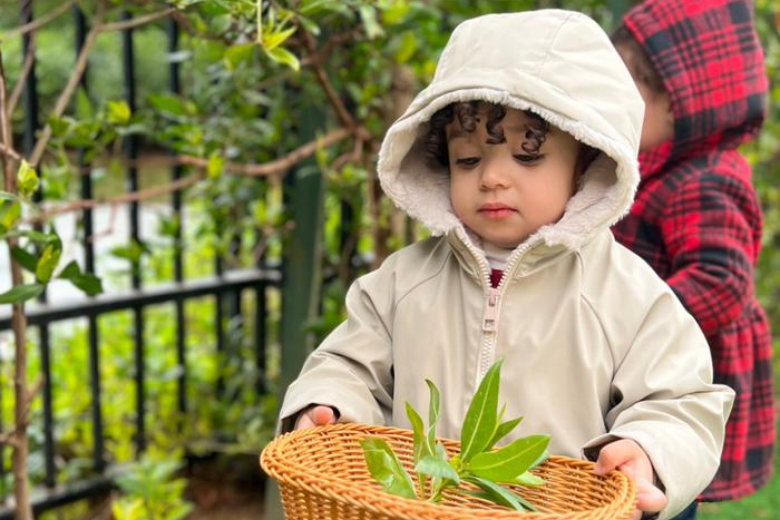
Choosing between preschool and kindergarten is an important decision for families. For parents exploring early education options in Riyadh, Front Academy is one school to consider when comparing programmes and learning environments.
Understanding the differences between these stages can help parents choose an option that suits their child’s development, confidence and learning needs. While preschool generally introduces children to group learning through play, kindergarten builds on these foundations with more structured activities and early literacy and numeracy.
Although both support early childhood education, they have different priorities. Preschool generally introduces children to group learning through play, while kindergarten places greater emphasis on school readiness and foundational academic skills. However, age alone should not determine when a child moves to the next stage.
What Is The Difference Between Preschool And Kindergarten?
The main difference lies in how children learn and prepare for primary school. Preschool typically focuses on exploration, communication, independence and social development. Kindergarten builds on these foundations through more structured activities and early literacy and numeracy.
In Saudi Arabia, the Ministry of Education recognises early childhood as an important stage of physical, social, emotional and cognitive development. Its early childhood framework covers children from three to eight years, with each stage building on the skills developed previously.
Therefore, parents should look beyond programme names and consider what children experience each day. A good early learning environment supports curiosity, emotional security and a positive attitude towards learning.
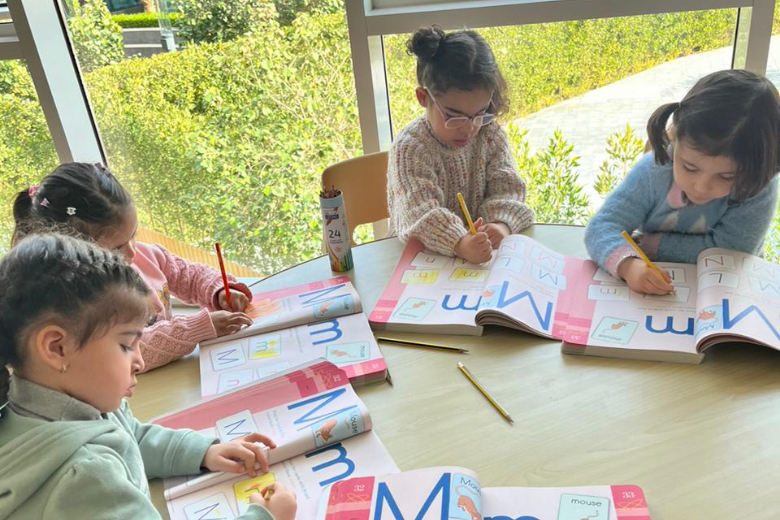
Preschool In Riyadh, What Do Children Learn?
Preschool commonly serves children aged two to four, although admission ages vary between settings. At this stage, children benefit from opportunities to explore their surroundings, communicate with others and develop everyday skills.
Through play, stories, music, art and practical activities, children begin to develop language, coordination and problem-solving abilities. Additionally, group experiences help them practise sharing, taking turns and expressing their feelings.
Preschool also encourages independence. Children gradually learn to manage simple tasks, follow routines and ask adults for help when needed.
For parents looking for a nursery school in Riyadh, it is worth asking how the programme balances guided activities with free play. Children need opportunities to explore at their own pace, rather than spending long periods completing formal academic tasks.
When Should Parents Enrol Their Child In Preschool?
There is no single age that suits every child. Some children enjoy group activities early, while others need more time to become comfortable away from home.
Parents can consider whether their child shows interest in other children, communicates basic needs or is beginning to enjoy familiar routines. However, children do not need to demonstrate every skill before starting preschool.
Instead, families should discuss their child’s individual needs with the school. A supportive team can explain how it helps new children settle in and build confidence.
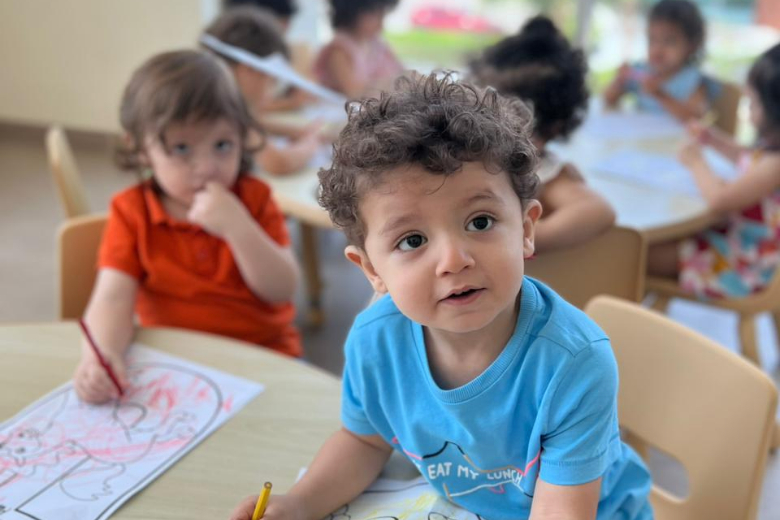
Kindergarten In Riyadh, Preparing For Primary School
Kindergarten generally serves children aged three to six, depending on the programme and education system. It builds on early learning experiences and helps children develop the skills needed for a more structured school environment.
Children may explore letters, sounds, numbers, patterns and early writing. They also practise listening, following instructions, completing activities and working with classmates.
However, kindergarten should not be limited to academic preparation. Creative play, movement, storytelling and social interaction remain important parts of learning.
The Saudi Ministry of Education identifies the ages of three to six as a key kindergarten development period. Its early learning standards set expectations for the knowledge, behaviour and skills that contribute to children’s development and later education.
When Is A Child Ready For Kindergarten?
Readiness involves more than recognising letters or counting. Children also benefit from developing emotional regulation, communication and the ability to participate in group activities.
For example, a child may know numbers and colours but still need support with transitions or asking for help. Another child may be socially confident but require more time to develop early literacy skills.
Consequently, parents should ask how a kindergarten assesses readiness and supports different learning needs. The goal is to help children approach their next stage with confidence, not to rush them into formal learning.
Preschool Vs Kindergarten, Five Things Parents Should Consider
When comparing a preschool near you with a kindergarten programme, consider these five areas.
1. Learning Through Play
Play supports language, imagination, cooperation and problem-solving. Ask how the school incorporates hands-on experiences and whether children have enough time to explore independently.
2. Social And Emotional Development
Starting school can bring new experiences and emotions. Look for educators who help children build friendships, express feelings and manage everyday challenges.
3. Early Literacy And Numeracy
Children benefit from age-appropriate introductions to books, sounds, numbers and patterns. However, these activities should suit their developmental stage rather than create unnecessary pressure.
4. Daily Routines And Independence
Consistent routines help children feel secure. Find out how the school supports transitions, mealtimes, personal care and participation in classroom activities.
5. Communication With Parents
Regular communication helps families understand their child’s progress. Ask how educators share observations, discuss concerns and suggest ways to support learning at home.
Together, these factors provide a clearer picture of educational quality than the programme name alone.
How To Choose The Right Early Learning Programme In Riyadh
Before making a decision, visit prospective settings and observe how children interact with educators. Notice whether classrooms feel welcoming, activities are suitable for the children’s ages and staff respond patiently to questions.
Additionally, ask about staff qualifications, safeguarding procedures, daily schedules and opportunities for outdoor movement. Practical considerations such as location, operating hours and the admissions process also matter to families.
Parents should confirm the age requirements for their chosen programme. These can differ between providers, and eligibility for a particular kindergarten level may depend on the applicable admission rules.
Most importantly, consider how your child responds to the environment. A warm, well-organised setting can help children feel safe enough to explore, build relationships and develop new skills.
How Front Academy Supports Early Learning In Riyadh
For families exploring early education options, Front Academy offers preschool and kindergarten programmes in Riyadh, with locations in Roshn and Sedra.
Its approach includes social and emotional development, language and literacy, motor skills, creative expression, mathematical thinking and exploration of the world. These areas help children develop a range of skills through age-appropriate activities and guided learning.
Parents can explore the Front Academy website to learn more about its early learning options. The curriculum page explains the developmental areas covered, while the programmes page provides further information about its learning programme and daily routines.
Families can also arrange a visit to understand the learning environment and discuss which programme may suit their child. Speaking directly with educators can help parents make a more informed decision.
Questions To Ask Before Enrolling Your Child
Before choosing a preschool or kindergarten, consider asking the school,
- What skills and experiences does this programme prioritise?
- How do educators support children who take longer to settle in?
- How are learning and developmental progress shared with parents?
- What safeguarding and supervision arrangements are in place?
- How does the programme prepare children for the next stage?
- What are the admission requirements, fees and daily hours?
The answers can help families compare settings on the factors that matter most to their child.
Making The Right Choice For Your Child
Preschool and kindergarten both play valuable roles in early childhood education. Preschool often provides a gentle introduction to group learning, while kindergarten develops foundational skills and prepares children for primary school.
Ultimately, the best choice depends on your child’s developmental needs, the quality of the learning environment and the support available from educators. Rather than focusing solely on age or academic expectations, prioritise a setting where your child feels secure, encouraged and ready to learn.
With careful research and conversations with schools, parents can choose an early learning experience that supports their child’s confidence, independence and enjoyment of learning.
For more details please visit
Further Reading
- How Parents Can Help Children Recognise And Respond To Bullying
- Saudi Universities Rise In Times Higher Education World University Rankings 2027