









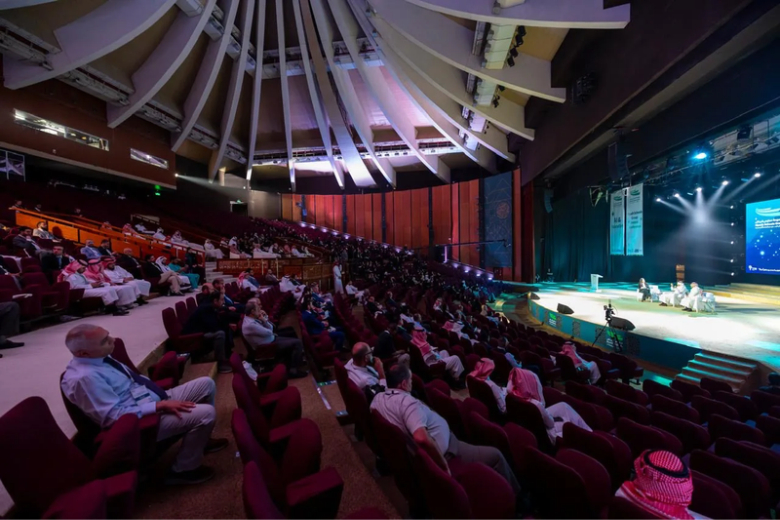
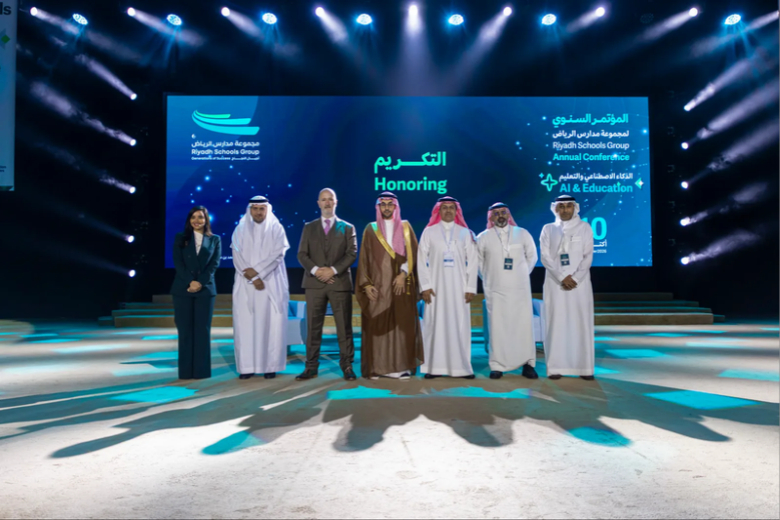
Riyadh Schools brought together more than 600 education professionals for its annual educational conference on 10 October 2026, exploring how AI in education can support teaching, professional development and student learning.
Held under the theme “Artificial Intelligence and Education”, the conference took place at King Salman Hall at the Riyadh Schools Model Branch. It welcomed experts and practitioners from education, technology and artificial intelligence to discuss the opportunities and challenges shaping the future of learning.
For teachers and school leaders, the discussions highlighted an important question, how can schools use AI to strengthen classroom practice while keeping teachers central to the learning experience?
AI In Education Takes Centre Stage At Riyadh Schools
The conference reflected Riyadh Schools Group’s commitment to understanding the opportunities offered by artificial intelligence and its potential role in educational practice.
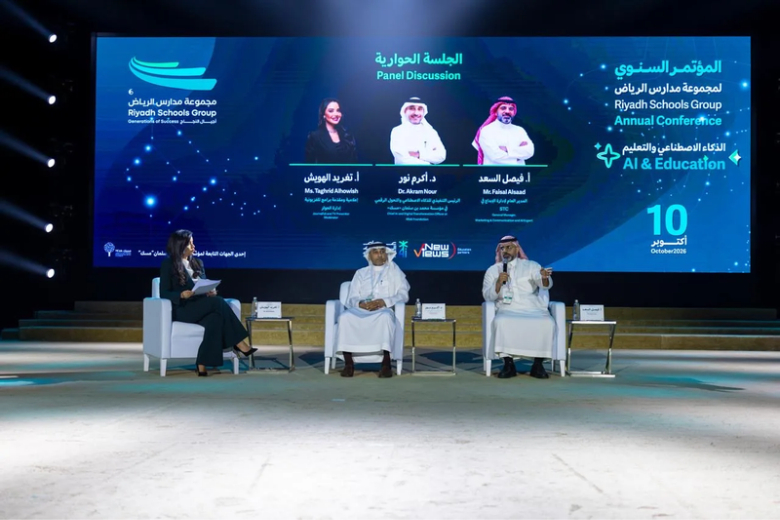
The programme opened with a speech by the Ministry of Communications and Information Technology, followed by a panel discussion moderated by journalist Taghreed Al-Huwaish.
The discussion explored artificial intelligence and the future of education, with contributions from Dr Akram Noor, CEO of Artificial Intelligence and Digital Transformation at the Mohammed bin Salman Foundation “Misk”, and Professor Faisal Al-Saad, General Manager of Innovation at Saudi Telecom Company STC.
Their participation brought together perspectives from education, technology and innovation. These conversations are increasingly relevant to schools as they consider where AI tools may support teaching and learning, and how staff can use them thoughtfully.
60 Workshops Focus On Practical Applications
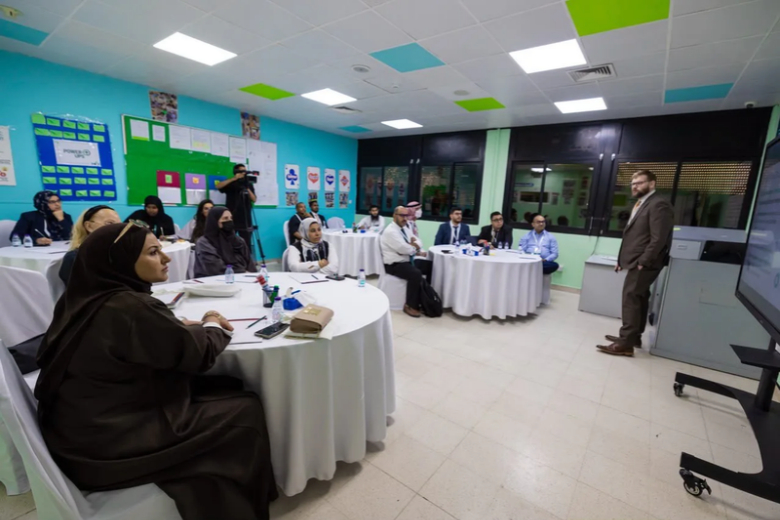
Alongside the discussions, the conference featured 60 workshops that gave participants opportunities to explore modern applications, tools and experiences in education and artificial intelligence.
The workshops were designed to strengthen the use of technology in educational practice while supporting teachers’ professional development.
For educators, practical training is an important part of understanding how new technologies can fit into everyday classroom activities. Teachers need opportunities to explore tools, consider their limitations and assess whether they genuinely support learning.
Additionally, professional development can help schools approach AI with a clearer understanding of its possible uses. This includes considering how technology might complement teaching, rather than replace the relationships and professional judgement that underpin effective education.
Riyadh Schools Emphasises The Teacher’s Role In AI In Education
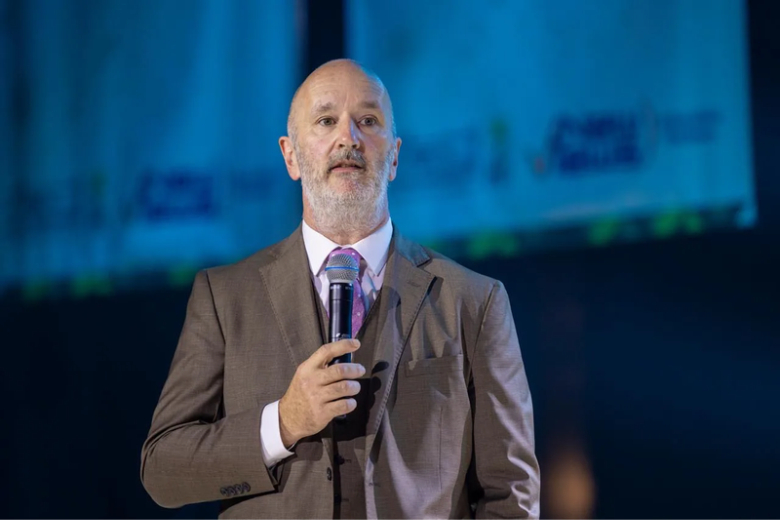
Michael Imbley, CEO of Riyadh Schools Group, said the conference reflected the group’s approach to preparing for changes in education and helping its community understand technological developments. He said,
“Artificial intelligence is no longer a topic for the future, but has become part of the reality of education today, and it is our responsibility to enable our teachers and our educational community to understand these transformations and benefit from them in a way that enriches the learning experience and improves its outcomes.”
His comments highlighted the importance of helping teachers understand AI and consider how it can contribute to better learning experiences.
Abdulrahman Al-Ghafeeli, President of Riyadh Schools, also emphasised the importance of professional development and collaboration among educators. He said,
“We believe that the teacher is the real driver of any transformation in education, and therefore we are keen to provide an environment that brings together experts, practitioners and teachers, and opens the way for the exchange of knowledge, experiences and ideas, and transforming them into a tangible impact within the classrooms.”
Both statements place teachers at the centre of educational change. While AI may offer new tools and approaches, its value depends on how educators understand and apply them to meet students’ needs.
What AI In Education Means For Schools And Teachers
For schools, the next step is turning discussions and workshop experiences into meaningful classroom practice. This requires more than introducing new tools. Educators also need time to develop their skills, evaluate different applications and consider how technology fits within their teaching objectives.
Parents, meanwhile, may want to understand how their children’s schools are approaching AI, including how teachers use technology to support learning and how students are guided to use it responsibly.
As AI becomes a more prominent part of educational discussions, schools will need to balance opportunities for innovation with the importance of sound teaching, student engagement and human guidance.
The Riyadh Schools conference concluded after a day of discussions, workshops and knowledge-sharing. It reinforced the group’s focus on professional development and collaboration as educators prepare for the opportunities and challenges associated with artificial intelligence.
Ultimately, the impact of AI in education will depend not only on the tools schools adopt, but also on how effectively teachers use them to enrich learning and support students.
For more information please visit
Further Reading
- Traditional Vs Innovative Teaching Methods, What Has Changed?
- Cambridge IGCSE Mathematics, 10 Study Strategies To Help Students Succeed