








King’s College Riyadh is introducing a new Digital Learning Ecosystem as students prepare to return for the 2026–27 academic year.
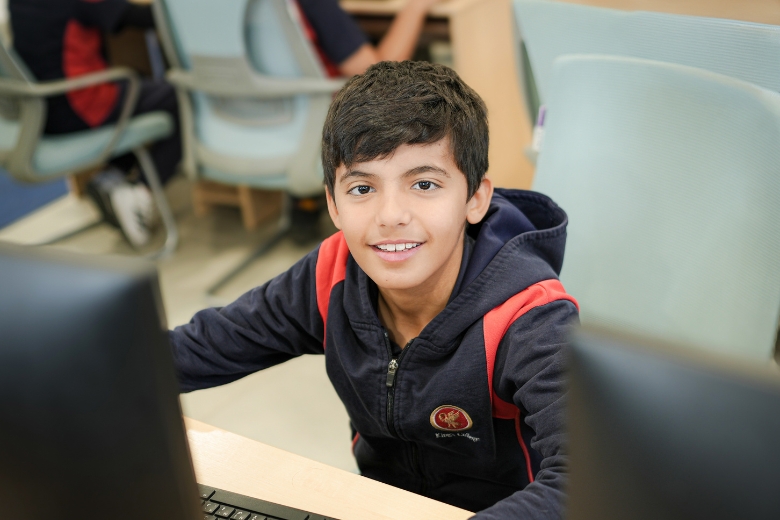
The initiative will initially support students in Years 5 to 8 at the school’s Diriyah campus. It aims to make classroom learning more interactive while giving teachers greater flexibility and students more opportunities to collaborate.
For parents and educators, the development offers an insight into how schools can use technology to support learning without moving away from the teacher-led approach central to a British education.
Digital Learning Ecosystem Supports Classroom Learning
The new Digital Learning Ecosystem will create a connected learning environment for students in Years 5 to 8.
It will support the development of creativity, communication, collaboration, critical thinking and digital literacy. These skills are increasingly important as students prepare for further education and future careers.
Every teacher has been equipped with both a MacBook and an iPad. This will allow greater mobility around the classroom and support more personalised, real-time feedback.
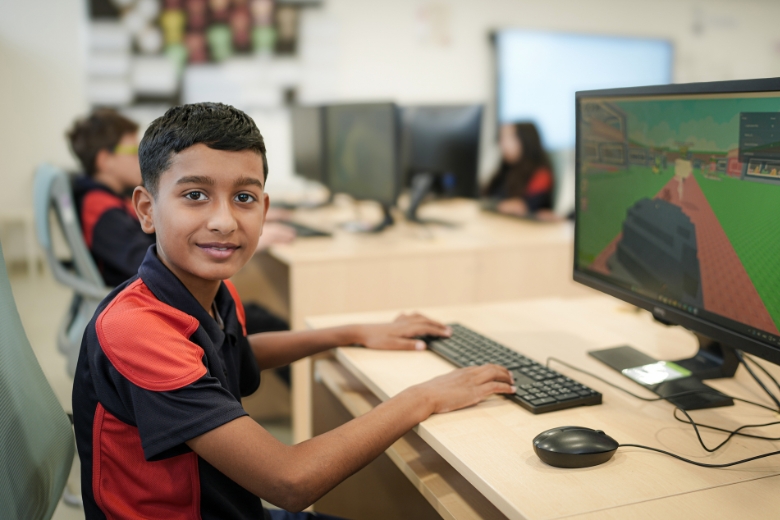
Meanwhile, students will have access to school-owned iPads throughout the school day. The devices are intended to make lessons more interactive and encourage greater engagement across the curriculum.
Technology Designed to Enhance Teaching
The school says the technology has been introduced where it can add meaningful educational value.
The Digital Learning Ecosystem combines Apple technology with Microsoft 365 within a consistent learning environment. As a result, teachers can create opportunities for students to participate actively in lessons and share ideas with classmates.
Students can also receive more immediate feedback and take greater ownership of their learning.
However, the school emphasises that technology will support rather than replace teachers. The approach is designed to maintain the balanced, teacher-led learning model associated with a high-quality British education.
For educators and school leaders, the initiative also highlights the importance of ensuring that digital tools have a clear educational purpose.
Supporting Digital Skills and Saudi Vision 2030
The Digital Learning Ecosystem forms part of King’s College Riyadh’s wider commitment to teaching and learning.
It also aligns with Cognita’s broader digital learning strategy, which aims to create a consistent learning experience for teachers and students across its schools.
Furthermore, the initiative supports the ambitions of Saudi Vision 2030. Developing digital literacy and critical thinking skills is an important part of preparing young people for a knowledge-based economy.
For students, this means developing confidence in using technology while continuing to build strong academic knowledge and communication skills.
Building More Engaging Learning Experiences
Jacqueline Doran, Principal at King’s College Riyadh, said the initiative was designed to build upon the school’s existing focus on high-quality teaching.
“Outstanding teaching has always been at the heart of a King’s College Riyadh education, and this Digital Learning Ecosystem is designed to strengthen that foundation. By equipping our teachers with innovative digital tools, we can create more engaging, collaborative and personalised learning experiences that inspire curiosity, encourage critical thinking and help every student reach their full potential. Technology should never replace excellent teaching, it should enhance it. By combining purposeful digital innovation with the values of an outstanding British education, we are ensuring our students develop the knowledge, skills and confidence they need to succeed in school and beyond.”
The new approach reflects a growing focus on how schools can use digital tools to improve classroom experiences.
Ultimately, the value of technology in education depends on how effectively it supports teachers and students. At King’s College Riyadh, the new Digital Learning Ecosystem is intended to strengthen teaching, encourage meaningful collaboration and help students develop the skills needed for their next stage of education.
As students return for the 2026–27 academic year, the programme will provide Years 5 to 8 with access to new digital learning opportunities while maintaining a strong focus on teacher guidance and academic learning.
For more information please visit
Further Reading
- Downe House Riyadh Students Celebrate Strong A Level And GCSE Results
- Saudi Arabia Updates School Curriculum With 50 New AI Learning Units