













From resilience and confidence to sustainability and entrepreneurship, why real-world skills deserve a place in every child’s education.
Academic achievement remains an important measure of educational success. Tests, assessments and grades provide valuable insights into what children know and understand. But what about the skills and experiences that are harder to measure?
How do we recognise a child’s growing confidence, their ability to solve problems, their understanding of sustainability or their initiative in turning an idea into action?
These skills are essential for navigating an increasingly complex, ever-changing world.
Education is not only about what children know, but how they apply that knowledge.
Confidence, Resilience and Problem-Solving
Confidence and resilience develop through experience. Even something as simple as making a smoothie can become a valuable learning opportunity, encouraging children to follow a recipe, measure ingredients, make decisions and complete tasks independently.
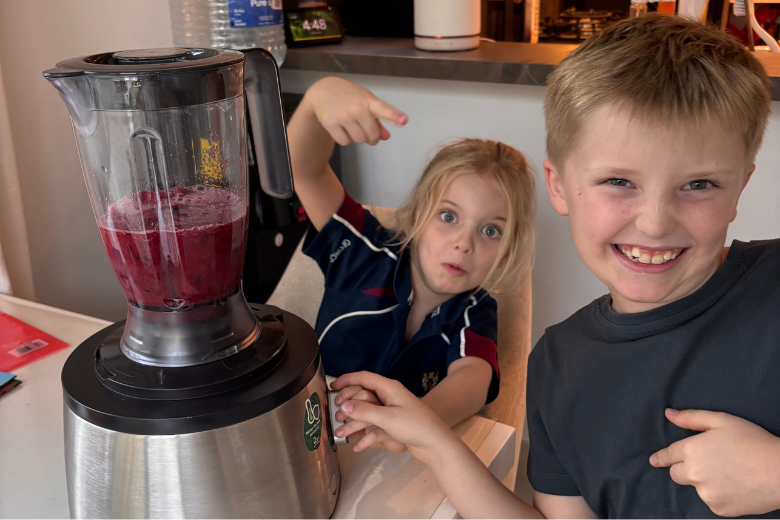
These practical challenges also develop problem-solving skills, encouraging children to think critically, follow instructions and adapt when things don’t go to plan. Together, these experiences build independence, confidence and a willingness to try new things.
Understanding Our Responsibility for Sustainability
Helping children understand sustainability from an early age encourages them to recognise the impact of their everyday choices.
From reducing waste and conserving resources to recycling and participating in community clean-ups, practical experiences make environmental responsibility meaningful and accessible.
Understanding sustainability begins with recognising the impact of everyday choices.
Entrepreneurship, Creativity and Leadership
Entrepreneurship is about much more than starting a business. It encourages creativity, initiative, financial awareness and the ability to turn ideas into action.
Whether developing a small enterprise project, managing a budget or working collaboratively towards a shared goal, children gain practical experience that connects learning with real-world situations.
Leadership develops through everyday opportunities to take responsibility, communicate ideas, make decisions and support others.
Kindness and Community Responsibility
Alongside practical skills, empathy and social responsibility are equally important.
Helping others, contributing to community initiatives and recognising different perspectives encourage children to understand the positive impact they can have on the world around them.
Small actions can inspire meaningful change within our communities.
Bringing Real-World Skills to Life
At Edsidera, these principles are central to the Little Star and Rising Star Awards, which encourage children to develop essential life skills through engaging, age-appropriate challenges.
The Little Star Award introduces younger children to independence, communication, creativity, kindness and exploration, building strong foundations through everyday experiences.
The Rising Star Award builds on these foundations with challenges exploring sustainability, entrepreneurship, leadership, resilience, financial awareness and community responsibility.
Both awards are available through printed booklets or a digital app, giving schools flexibility in how they introduce the programmes. With challenges and supporting resources provided, schools can offer meaningful enrichment opportunities with minimal additional teacher workload.
Real-world challenges help children connect what they learn with what they can achieve.
Preparing Children for the Future
Academic knowledge will always matter, but preparing children for the future means equipping them with much more.
By encouraging children to explore, think independently, take initiative and contribute positively to their communities, we help develop the skills and confidence needed for life.
Further Reading
- Beyond the Classroom, Building the Skills to Thrive at Every Stage
- Who Is Preparing Tomorrow’s Leaders?
- What Can Your Child Do With STEM? Inside a Hands-On Summer Camp in Jeddah