









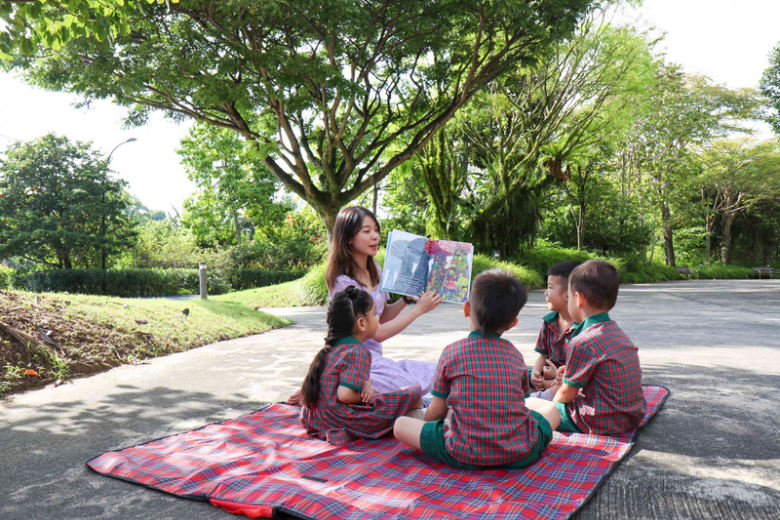
Choosing a school involves more than comparing academic results. For parents considering the EtonHouse Riyadh curriculum, understanding how children learn, develop social skills and prepare for primary education can help inform this important decision.
EtonHouse Riyadh offers a Reggio Emilia-inspired approach to early learning, followed by a primary curriculum that combines academic development with personal growth. Its approach places emphasis on curiosity, independent thinking and learning through exploration.
The school also incorporates Saudi cultural values into its learning environment, alongside international perspectives. Here is what parents need to know about the EtonHouse curriculum, from preschool learning to primary education.
Why The EtonHouse Riyadh Curriculum Matters In Early Education
Early childhood is an important period for developing language, social skills, confidence and a positive attitude towards learning. A well-planned curriculum can help children build these foundations before they enter more structured academic settings.

At EtonHouse Riyadh, the curriculum emphasises active learning and inquiry. Rather than simply memorising information, children are encouraged to explore ideas, ask questions and make connections with their surroundings.
This approach gives parents an insight into how the school supports children’s development beyond academic achievement. It also recognises that children learn in different ways and benefit from opportunities to explore their interests.
Understanding The Reggio Emilia-Inspired Approach
The EtonHouse educational philosophy draws inspiration from the Reggio Emilia approach, which views children as active participants in their own learning.
Educators encourage children to investigate questions, experiment with ideas and learn through interactions with others. For example, a child’s interest in plants might lead to activities involving observation, drawing, language development and early scientific thinking.
Additionally, the learning environment plays an important role. Carefully planned indoor and outdoor spaces provide opportunities for exploration, collaboration and creative expression.
Teachers act as facilitators, guiding children’s learning rather than simply delivering information. As a result, children can develop problem-solving skills, independence and confidence while learning at their own pace.
What Children Learn In The EtonHouse Preschool Curriculum
EtonHouse Riyadh uses its Inquire · Think · Learn (ITL) framework to support children’s development across six learning domains. These cover social, communication, cognitive, physical, creative and ethical development.
The Social Child
Children develop skills such as listening, taking turns, sharing ideas and resolving disagreements. These experiences help them build relationships and participate confidently in group activities.
The Child As A Communicator
Language and literacy activities support listening, speaking, reading and writing. Through these experiences, children develop vocabulary and learn to express their thoughts and ideas.
The Thinking Child
Hands-on activities introduce children to early mathematical, scientific and technological concepts. They explore patterns, investigate questions and practise solving problems.
The Physical Child
Children develop fine motor skills while learning about health, nutrition and personal safety. These foundations also support their growing independence in everyday activities.
Creative Expression Through Art
Art activities encourage imagination, experimentation and self-expression. Children have opportunities to create their own work and appreciate the creative efforts of their peers.
The Child As Agent Of Change
Children explore ideas such as sustainability, care for the environment and social responsibility. These experiences introduce them to the ways their choices can affect the world around them.
Together, these six domains provide a broad foundation for learning. They also help parents understand why early education involves much more than preparing children for reading, writing and mathematics.
How The EtonHouse Primary Curriculum Builds On Early Learning
As children progress into primary school, they encounter more structured academic learning while continuing to develop their independence and personal skills.
EtonHouse Riyadh follows the International Primary Curriculum (IPC), an international programme designed for primary-aged children. The curriculum brings together academic learning, personal development and international understanding.
The International Primary Curriculum
The IPC organises learning around themes that connect different subjects. For example, a topic about the environment might involve science investigations, reading, writing, research and discussions about communities.
This approach gives children opportunities to apply their knowledge across different subjects rather than treating each area of learning in isolation.
The curriculum also emphasises personal qualities such as cooperation, adaptability, respect and resilience. Meanwhile, its international learning goals encourage children to appreciate different cultures and understand their place in the wider world.
For parents, this combination offers a way to consider how a school’s curriculum supports both academic progress and the skills children need to work with others.
Singapore Maths And Problem-Solving Skills
EtonHouse Riyadh also uses Singapore Maths to develop children’s mathematical understanding.
Rather than relying solely on memorising formulas, this approach focuses on understanding concepts and applying them to practical problems. Children learn strategies for breaking down challenges and working towards solutions.
Consequently, mathematics becomes an opportunity to practise logical reasoning and critical thinking, alongside developing numerical skills.
Why Wellbeing Matters Alongside Academic Progress
Children’s emotional and social development can influence how they participate in lessons, build friendships and respond to challenges.
EtonHouse Riyadh incorporates wellbeing into its educational approach. Its programme aims to help children manage their emotions, resolve conflicts respectfully and develop healthy relationships.
Class meetings, mindfulness activities and everyday interactions can provide opportunities for children to express themselves and understand others.
For parents, it is worth asking how a school supports children who feel anxious, struggle with friendships or need additional help adjusting to a new learning environment. Understanding these arrangements can provide a fuller picture of a school’s approach to child development.
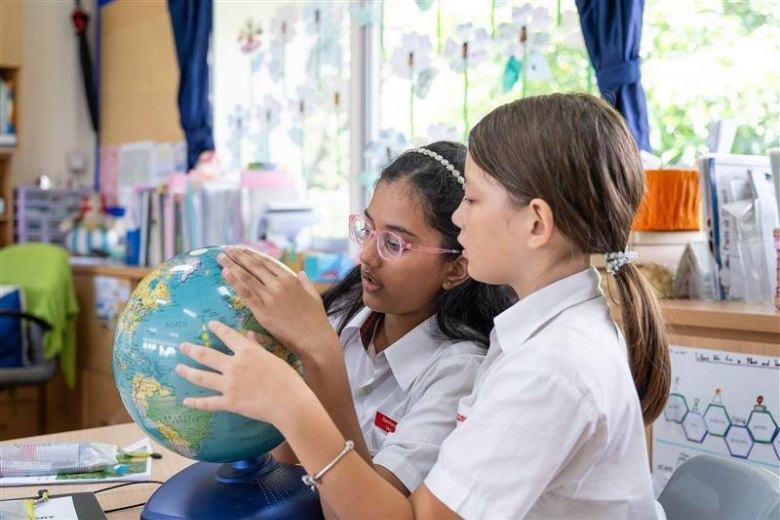
How The EtonHouse Curriculum Reflects Saudi Culture
For families in Riyadh, an international education can offer global perspectives while maintaining a connection to local culture.
EtonHouse Riyadh incorporates Saudi heritage into learning themes and school events. This gives children opportunities to explore the traditions and values of their home community while learning about other cultures.
The school also takes a bilingual and multicultural approach. English and Arabic language development form part of the educational experience, with Mandarin introduced in the later stages.
These opportunities may appeal to families who want their children to develop language skills, cultural awareness and an understanding of different perspectives.
How Parents Can Participate In The Learning Journey
Parents play an important role in helping children feel confident and supported at school. EtonHouse Riyadh describes its relationship with families as a partnership that continues from preschool into primary education.
Communication And School Visits
Parents can arrange a school tour through the school’s official website to explore its learning spaces and understand its educational approach.
A visit also gives families an opportunity to ask about the curriculum, daily routines, admissions requirements and the transition between preschool and primary school.
Community And Collaboration
Regular updates, workshops and conversations with educators can help parents understand what their children are learning.
Additionally, open communication allows families and teachers to discuss a child’s interests, progress and any areas where further support may be helpful.
Individual Support And Wellbeing
EtonHouse Riyadh highlights small class sizes and a focus on wellbeing as part of its approach to supporting individual children.
When evaluating a school, parents can ask how teachers adapt activities to different learning needs, monitor progress and support children’s emotional development.
Preparing For The Move To Primary School
Moving from preschool to primary school brings changes in routines, expectations and academic activities. Understanding how a school manages this transition can help families prepare their children.
Parents should ask how teachers build independence, introduce more structured learning and communicate progress during the transition. These details can help families assess whether the school is a suitable fit for their child’s needs.
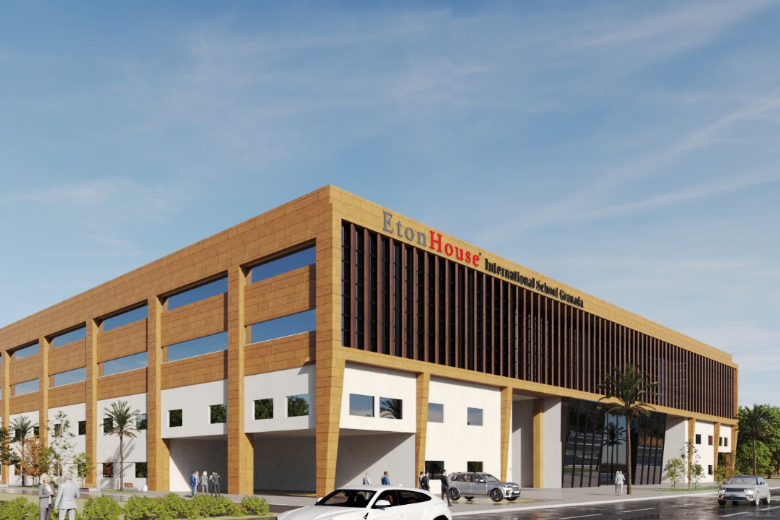
What Parents Should Consider Before Choosing A Curriculum
The EtonHouse Riyadh curriculum combines inquiry-based learning, academic development, personal growth and cultural understanding. However, the right choice depends on each child’s needs and a family’s educational priorities.
Before making a decision, parents should consider the following questions.
- How does the school assess and communicate children’s progress?
- What support is available for different learning needs?
- How are Arabic language learning and Saudi cultural experiences incorporated into school life?
- How does the school prepare preschool children for primary education?
- What opportunities do parents have to participate in the learning community?
- How does the school support children’s social and emotional wellbeing?
A school visit can help families explore these questions and understand how the curriculum works in practice.
Ultimately, choosing a curriculum is about finding an educational environment where a child can develop academically, socially and emotionally. Understanding the school’s teaching philosophy, learning goals and approach to family involvement can help parents make a more informed decision.
For more information please visit
Further Reading
- Buckswood Riyadh Gains IB World School Status, Expanding Primary Learning Choices
- Downe House Riyadh Opens Arabic Centre to Connect Students With Saudi Heritage