











Saudi Arabia’s classrooms are opening their doors to a new subject that connects learning directly with the Kingdom’s future economy. Beginning this academic year, Tourism and Hospitality is now part of the final year of secondary school, a bold step by the National Curriculum Center (NCC) in partnership with the Ministry of Education and the Ministry of Tourism.
This reform is more than a subject addition. It is a bridge between classrooms and the thriving world of tourism and hospitality, aligning directly with Vision 2030 and the Kingdom’s goal of attracting 150 million visitors by 2030.
A Curriculum with Purpose
The new subject equips students with both theoretical and practical knowledge. Lessons cover fundamentals of hospitality management, customer service, and tourism marketing, alongside sustainable practices and entrepreneurship. Students will also explore the Kingdom’s natural, cultural, and heritage assets, learning how to present them as treasures for visitors from around the world. The NCC stated,
“This programme will give students the knowledge and skills they need to support the growth of tourism in Saudi Arabia and help achieve the goals of Vision 2030.”
The course is designed in a self-learning format, encouraging independent thinking while providing applied skills that connect directly to real-world industries.
Curriculum Highlights
- Hospitality Fundamentals: Hotels, restaurants, and guest services
- Cultural Tourism: Exploring Saudi Arabia’s cultural, heritage, and natural assets
- Customer Service Skills: Communication, etiquette, and problem-solving
- Tourism and the Economy: Industry growth in the sector aligned with Saudi’s Vision 2030 alignment
- Practical Learning: Project-based learning in tourism with field trips, workshops and industry projects
From the Classroom to the Industry
This subject goes beyond textbooks. Students will take part in field trips, industry workshops, and applied projects, giving them a first-hand look at the tourism and hospitality sector. Such exposure ensures graduates are not only academically prepared but also workplace ready. For Saudi students, this means stepping into one of the Kingdom’s fastest-growing industries with confidence. For the country, it means building a workforce that reflects both global service excellence and Saudi cultural pride.
$1 Billion Riyadh School of Tourism and Hospitality
The inclusion of Tourism and Hospitality at secondary level is only the beginning. Saudi Arabia is also investing in world-class higher education facilities to sustain this transformation.
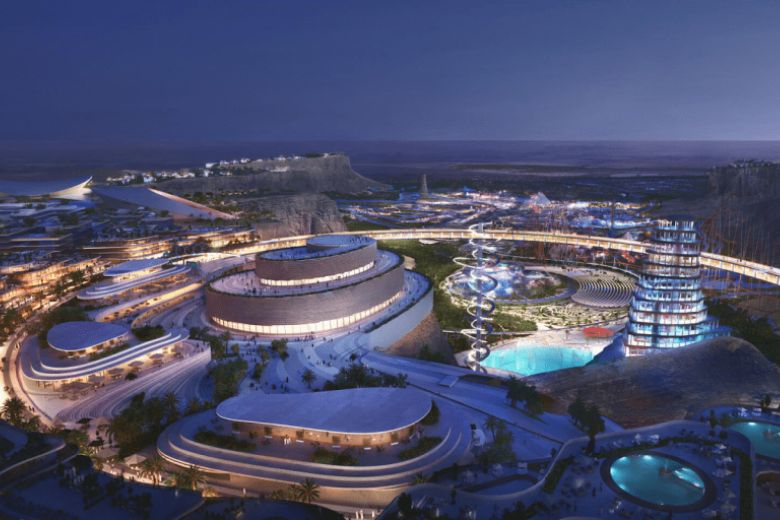
One of the most ambitious projects is the $1 billion Riyadh School of Tourism and Hospitality, currently under development at Qiddiya and set to open in 2027. With a campus spanning five million square metres, the school has been described by Tourism Minister Ahmed Al-Khateeb as a “gift from Saudi Arabia to the world”.

Key Highlights
- Scale: 5 million square metre campus in Qiddiya
- Investment: Over $1 billion, part of Saudi Arabia’s $800 billion tourism push
- Global Vision: Referred to by Tourism Minister Ahmed Al-Khateeb as a “gift from Saudi Arabia to the world”
- Curriculum: Internationally recognised training in hospitality, tourism, and service industries
- Impact: Expected to train thousands of students and professionals, supporting the creation of 1 million new jobs in the sector by 2030
This pipeline from secondary school classrooms to a state-of-the-art global training hub reflects a national strategy, to turn Saudi Arabia into not only a world-leading tourism destination but also a world-leading educator of hospitality talent.
Why It Matters
Saudi Arabia welcomed more than 100 million visitors in 2023, with a goal of reaching 150 million by 2030. By introducing Tourism and Hospitality into the secondary curriculum, the Kingdom is investing early in the skills of its youth, ensuring that students can contribute to this vital sector from the moment they graduate. This initiative is not only about careers. It is also about identity. Students will learn how to share Saudi Arabia’s story, traditions, and values with the world, making hospitality education both a professional pathway and a cultural mission.
Tourism and Hospitality at a Glance
- Introduced for Grade 12 students in 2025
- Developed by the NCC with the Ministry of Tourism and Ministry of Education
- Covers hospitality management, customer service, cultural tourism, and sustainability
- Includes field trips, workshops, and applied projects
- Directly supports Vision 2030’s tourism growth targets
A Welcoming Future
Saudi Arabia is not only investing in airports, hotels, and cultural sites. It is also investing in its people. By embedding Tourism and Hospitality into the national curriculum, the Kingdom ensures that tomorrow’s workforce will be prepared to welcome the world with both professionalism and authenticity.
For visitors, this means unforgettable experiences rooted in Saudi warmth and tradition. For students, it means opportunity, empowerment, and the chance to be part of one of the most dynamic chapters in the Kingdom’s transformation.
The Saudi Tourism Sector by the Numbers
| Metric | Figure | Why It Matters |
| Visitors in 2023 | 100 million+ | Record-breaking milestone that positions Saudi Arabia as a global tourism hub |
| Target for 2030 | 150 million visitors | Core Vision 2030 goal, requiring a skilled workforce in tourism and hospitality |
| Contribution to GDP | 10% by 2030 | Tourism set to become a key driver of economic diversification |
| Jobs Forecast | 1 million+ roles by 2030 | Expanding opportunities for Saudi youth in service, management, and cultural tourism |
| Global Ranking | Top 10 by 2030 | Ambition to place Saudi Arabia among the world’s leading tourism destinations |
For more information please visit:
Further Reading:
- Madrasati: A Saudi Digital Education Model Shaping the Future of Learning
- Saudi Cabinet Approves University of Strathclyde Branch in Riyadh to Boost Higher Education Sector