

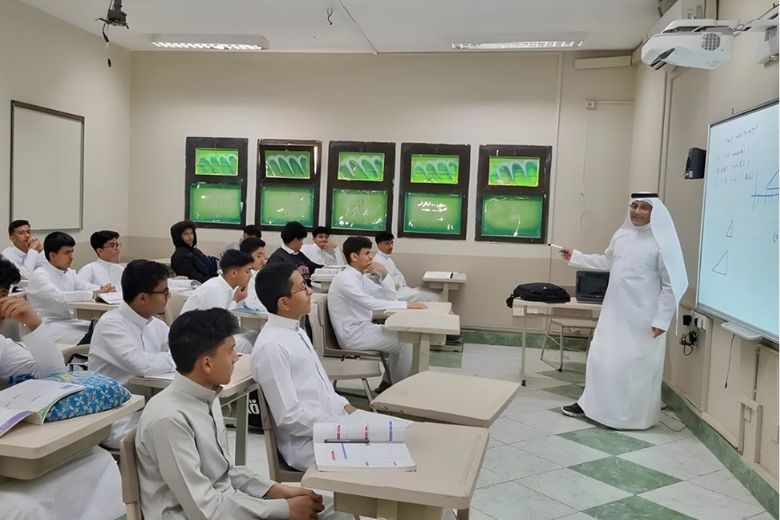
Saudi Arabia has introduced new municipal standards for private schools, tightening infrastructure, planning, and safety requirements while expanding regulatory oversight. The reforms, which also permit on-campus student housing, signal a push to raise education quality and attract greater private investment in line with Vision 2030 goals.
Saudi Arabia has unveiled a comprehensive set of new municipal requirements for private educational institutions, marking a significant shift in the regulatory landscape for schools, nurseries, kindergartens, and education complexes operating in the Kingdom. The updated standards, issued by the Ministry of Municipalities and Housing, aim to enhance safety, urban planning integration, and the overall quality of the learning environment while aligning private sector growth with broader national development objectives.
Expanded Scope of Regulation
Under the revised framework, the regulations apply to educational facilities on land designated for educational use, government-leased land, and land allocated for commercial purposes. This broadens oversight beyond previous guidelines and establishes a more consistent regulatory structure across different types of private education providers.
Key Infrastructure and Planning Guidelines
The new requirements introduce detailed conditions related to site planning, architectural standards, and land use. Educational buildings must be located on two streets, with at least one having a minimum width of 25 metres to support access and traffic flow. Building height must comply with approved construction limits, and mandatory setbacks are required.
Minimum space allocations have also been defined. Each student must be allocated a minimum land area of four square metres for kindergarten and five square metres for larger educational complexes. Nurseries are granted some flexibility, as they may operate on a single street with a minimum width of 15 metres if located within standalone buildings.
These measures establish a unified baseline for private education infrastructure and are publicly accessible through official ministry channels.
Introduction of On-campus Student Housing
A notable development under the new framework is the approval of on-campus residential facilities within licensed private school campuses. Authorities now allow the construction of internal housing buildings for students, provided they are separate from academic facilities.
This marks a first for the Kingdom’s private education sector and is expected to benefit international schools and larger education complexes that cater to expatriate families or students from distant regions. The change is also expected to improve the competitiveness of Saudi private schools at a regional level.
Strategic Signal to Investors and Operators
Analysts view the regulatory update as a strong signal of Saudi Arabia’s commitment to enhancing education quality and attracting private investment. By standardising planning requirements and introducing modern infrastructure options such as on-campus housing, the Kingdom is strengthening the appeal of private education projects for both domestic and international investors.
The move aligns with broader economic diversification objectives and Vision 2030 priorities, which place education, skills development, and competitiveness at the centre of long-term growth strategies.
Implications and Next Steps
For school operators, the updated standards will require careful planning and compliance to meet new physical and safety requirements. While staffing and academic regulations remain under the authority of the Ministry of Education, the new framework highlights the importance of long-term facility planning and institutional readiness.
Industry observers expect further implementation guidance to follow, helping private education providers align development strategies with the updated municipal framework. In the meantime, investors and developers are likely to reassess expansion plans and capital investment strategies to remain aligned with the new standards.
For more information please visit:
Further Reading:
- Saudi Cabinet Approves University of Strathclyde Branch in Riyadh to Boost Higher Education Sector
- Madrasati: A Saudi Digital Education Model Shaping the Future of Learning