












The Kingdom’s new General Education Law is the most significant overhaul of K-12 schooling in a generation. Here is what it means for the sector.
With the new academic year now under way, Saudi schools are operating under a new legal framework that did not exist a year ago.
In July 2026, a royal decree approved the Kingdom’s new General Education Law, one of the most significant overhauls of the K-12 system in recent years. It governs education from nursery through Grade 12, and it rewrites the rules for public and private providers alike.
THE GENERAL EDUCATION LAW, DECODED
The new law governs every school from nursery to Grade 12, opens the door wider to private operators, and strengthens rights for students and families.
Governance, reimagined
At its centre sits a new body: the General Education Affairs Council, chaired by the Minister of Education and drawing members from several ministries, the Education and Training Evaluation Commission, and, notably, the private sector. The council will steer national policy, strategy and long-term planning, giving private operators a formal seat at a table they have long lobbied to join. Yousef Al-Benyan, Minister of Education said,
“A significant step in advancing general education and enhancing the sector’s regulatory and operational efficiency.”
What Private Schools Need to Know
For the private and international schools that make up much of this magazine’s readership, three provisions stand out.
First, the law regulates private and non-profit participation more clearly, and is explicitly designed to make investment and partnership more attractive, a package tied directly to Vision 2030 targets.
Second, it confirms that while Arabic remains the principal language of instruction and public schools retain single-sex settings after early childhood, that separation requirement does not apply to private schools.
Third, it introduces flexible learning pathways, letting students move between academic, vocational and technical routes.
Nurseries Step into the Framework
For early years providers, the law formally folds nursery-level education into the same governed system as the rest of K-12. That means more oversight, but also more legitimacy and, crucially, more support, as the Kingdom pushes to lift kindergarten enrolment from roughly 17% to 90% by 2030.
BY THE NUMBERS
- 7.2m projected school-age population by 2030 (Ministry of Education)
- 214,000 additional private school seats needed by 2035 (The PIE News)
- z value of the KSA private K-12 market in 2026, growing at 9.23% CAGR (Mordor Intelligence)
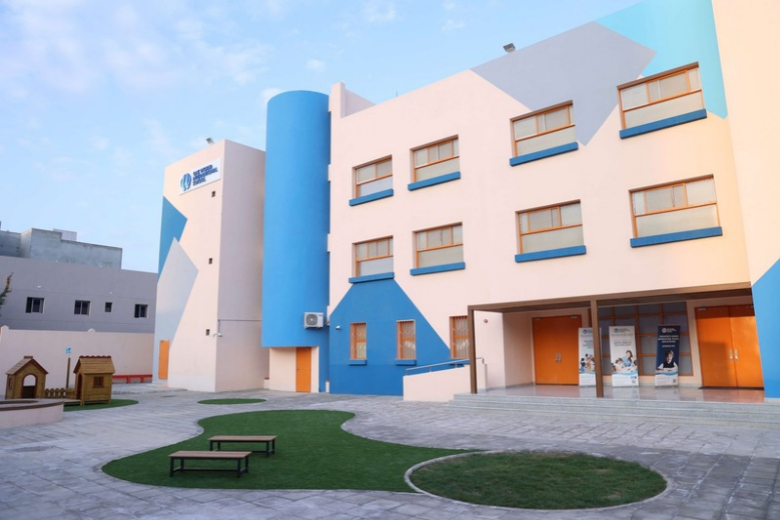 The General Education Law introduces changes affecting public and private schools, nurseries, learning pathways, student rights and private-sector participation
 Private Schools Take Centre Stage In Saudi Arabia’s Education Reform
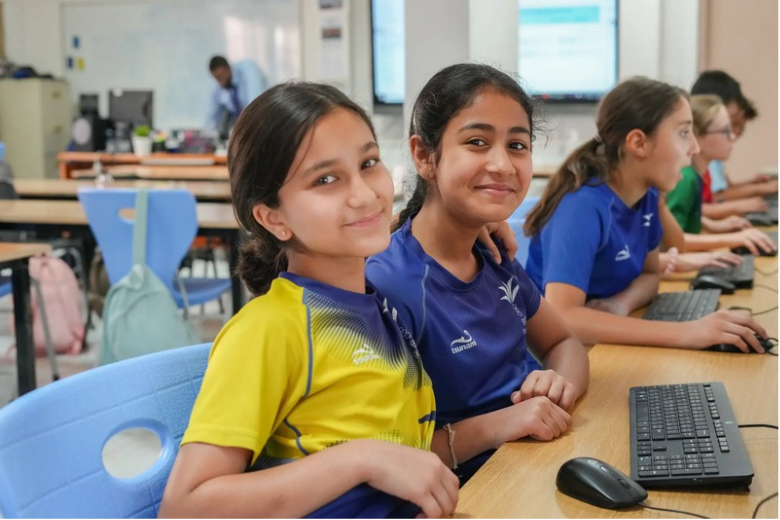 New Rules Set The Stage For The Future Of Saudi Schools
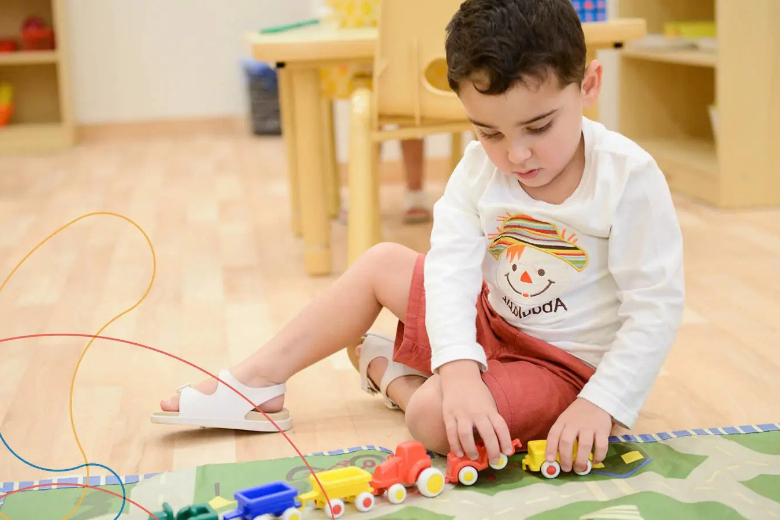 The new General Education Law creates a framework covering nursery through Grade 12, with implications for schools, private operators, students and families
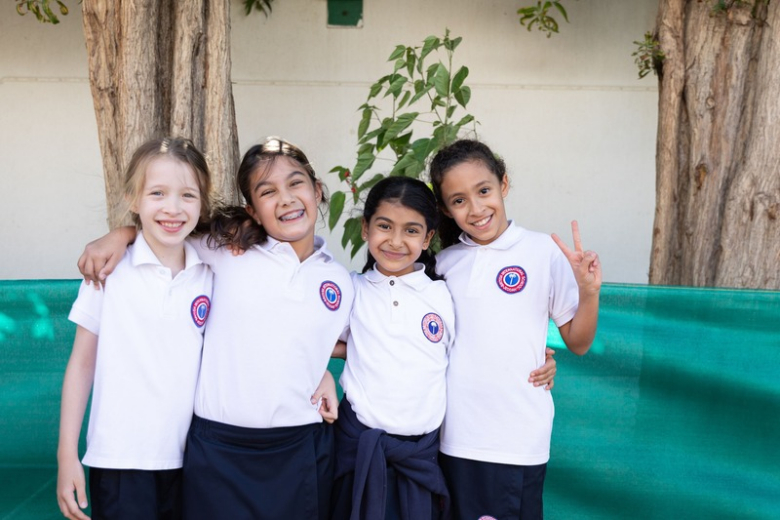 Saudi Arabia’s education sector enters a new phase with the introduction of the General Education Law
 Saudi Arabia Strengthens The Framework For Its Future Education Sector
Why the Timing Matters
The moment is not incidental. With demand for private places outstripping supply, and Riyadh alone needing more than 63,000 additional seats, the government is building the legal machinery to bring in operators at scale. The law also strengthens provision for students with disabilities and for gifted learners, and formalises the role of families in the education journey.
The message to the private sector is unambiguous: the door is open, and the rules are now written down.
What Comes Next
What remains is implementation. The Ministry will translate the framework into detailed regulations over the coming phase, and the sector will be watching closely.
For now, this is about direction and permission: the framework tells the private sector it is welcome and central, and sets up the machinery. The specifics that will change how a school actually operates come next, and the sector will be watching closely.
Sources: Saudi Gazette, Arab News, The PIE News, Mordor Intelligence, Ministry of Education.
Stay up to date with the policies shaping education in Saudi Arabia Visit Education Saudi for the latest education news and policy updates