











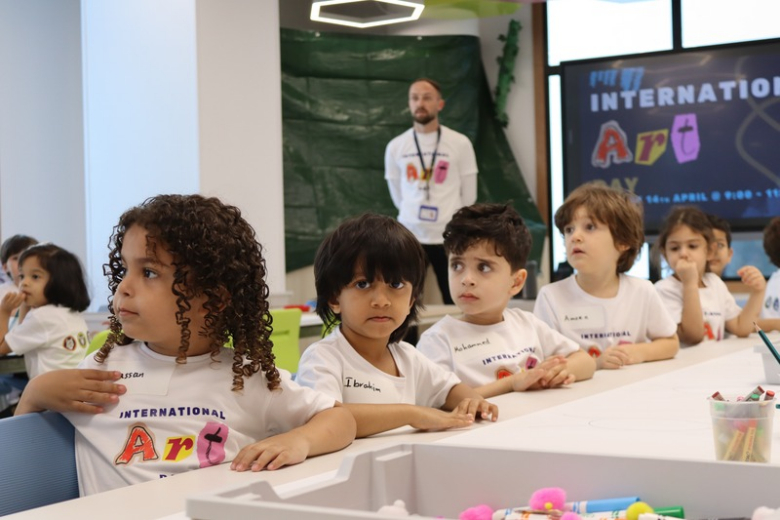
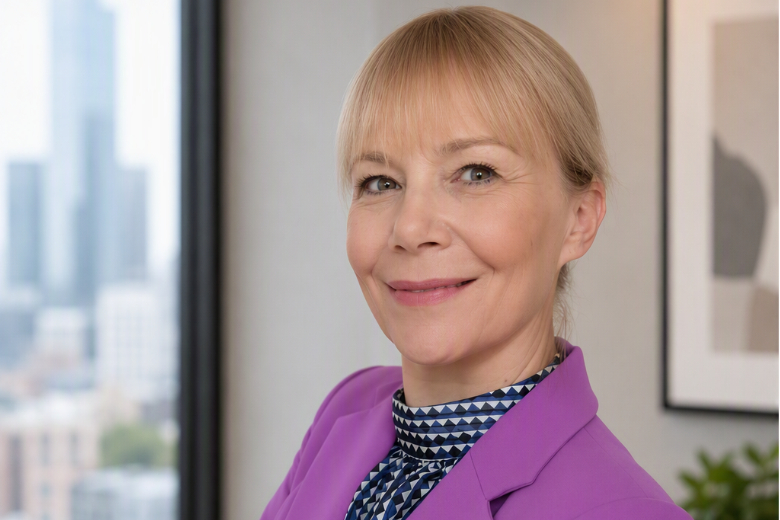
As Saudi Arabia’s education landscape evolves, Rachael Giles, Principal of Sherborne School Jeddah, is helping shape a school designed for both tradition and transformation. She reflects on building a new school community, balancing British educational heritage with Saudi culture, and preparing pupils with the confidence, character and skills to thrive in a rapidly changing world.
Education Saudi: What first drew you into education, and what has shaped you most as a leader?
Rachael: I’ve always wanted to be a teacher, so it was a natural step for me to complete my PGCE at the University of Bristol and pursue a career in teaching languages. I have always been passionate about languages and I believe it is so important for students develop a love for learning languages. What has shaped me most as a leader has been navigating challenging periods of change. Leading teams through uncertainty taught me that leadership isn’t about having all the answers, but about listening carefully, communicating clearly and helping people move forward together. Those experiences strengthened my resilience, adaptability, and commitment to putting people at the center of decision-making.
Education Saudi: You’ve worked across the UK and Middle East. What have those experiences taught you about what makes a great school?
Rachael: I have worked in a variety of different school contexts in the UK and the UAE, and what I have found central to making a good school is creating a safe and positive culture where strong relationships between students, staff, and families enable young people to flourish both academically and personally.
Education Saudi: What attracted you to the opportunity to lead and shape Sherborne School Jeddah?
Rachael: Having already opened a school in Abu Dhabi it was a natural step to apply this learning to a new context; I was curious about working in KSA. The opportunity to introduce Sherborne to the Jeddah community was a defining moment in my leadership journey, combining my passion for educational excellence with the challenge of building a school culture and reputation from the ground up.
Education Saudi: How do you balance Sherborne’s British heritage with Saudi culture and the needs of families in Jeddah?
Rachael: For me, the balance comes from being uncompromising about the quality of a Sherborne education while ensuring it is deeply rooted in the culture, values and aspirations of Saudi Arabia.
We draw on Sherborne’s 475-year heritage of academic excellence and character education while celebrating Arabic language, Saudi heritage and the opportunities presented by Vision 2030.
The goal is for our pupils to be globally minded, but also proud of their identity and culture.
Education Saudi: Saudi Arabia is changing rapidly under Vision 2030. Where are you seeing the biggest changes within education?
Rachael: The biggest changes I am seeing are in the shift from education being viewed primarily through the lens of academic outcomes to a much broader focus on preparing young people for the future. Vision 2030 has placed education at the heart of national development, and schools are increasingly being asked to develop skills such as creativity, critical thinking, collaboration, innovation, and entrepreneurship alongside strong academic achievement.
I am also seeing significant investment in educational quality, technology, and the professional development of teachers. There is a real drive to ensure that schools equip students with the skills needed for a rapidly evolving economy while maintaining a strong sense of cultural identity and national pride.
What I find particularly exciting is that schools are no longer having to choose between being internationally minded and being deeply rooted in Saudi culture. The most successful schools are doing both. They are preparing students to thrive in a global context while ensuring they understand, value, and contribute to the ambitions of the Kingdom. I believe that balance is one of the most powerful aspects of educational transformation under Vision 2030.
Education Saudi: What does being ‘future-ready’ really mean for a young person beyond academic results?
Rachael: Being “future-ready” is about developing the whole child. Beyond academic success, it means nurturing 21st-century skills alongside strong values and character.
We want our pupils to leave Sherborne not just with excellent qualifications, but with the confidence, compassion, and lifelong learning mindset needed to thrive in a rapidly changing world.
Education Saudi: As Sherborne Jeddah grows, what do you want the school to become known for?
Rachael: As Sherborne Jeddah grows, I want the school to become known for providing an exceptional education that develops both academic excellence and outstanding character. Sherborne has a long tradition of nurturing young people who are curious, kind, resilient and ambitious, and I would like those qualities to become synonymous with our school in Jeddah.
Most importantly, I want us to be known as a school where every child is truly known, valued and inspired.
If parents see Sherborne as a place where their children thrive academically, grow in confidence, develop strong character, and are prepared for the opportunities of the future, then we will have achieved something very special.
Education Saudi: How do you make values such as kindness, respect and honesty genuinely part of everyday school life?
Rachael: Values become real when they are modelled, not simply displayed. At Sherborne Jeddah, kindness, respect and honesty are woven through all aspects of school life, from classroom interactions to co-curricular activities and relationships across the community. By modelling these values as adults, recognising them in pupils, and giving children regular opportunities to practise them, we create a culture where they are lived every day rather than simply talked about.
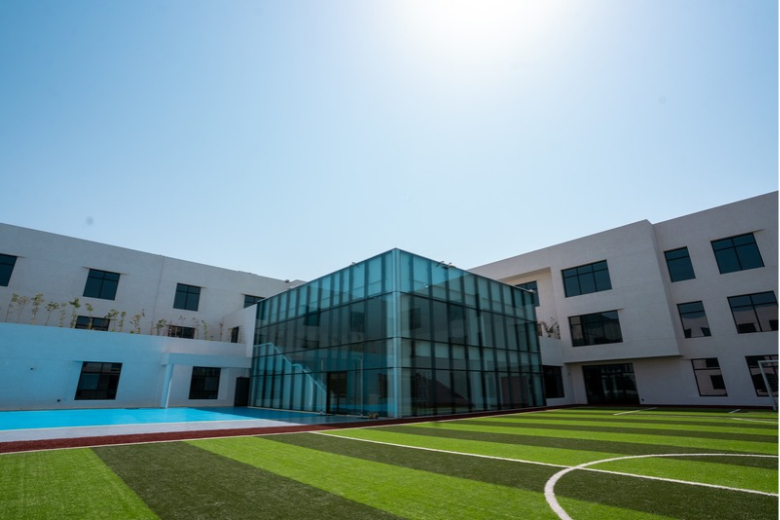 The Sherborne School Jeddah campus provides pupils with space to learn, collaborate, explore their interests and build confidence beyond the classroom
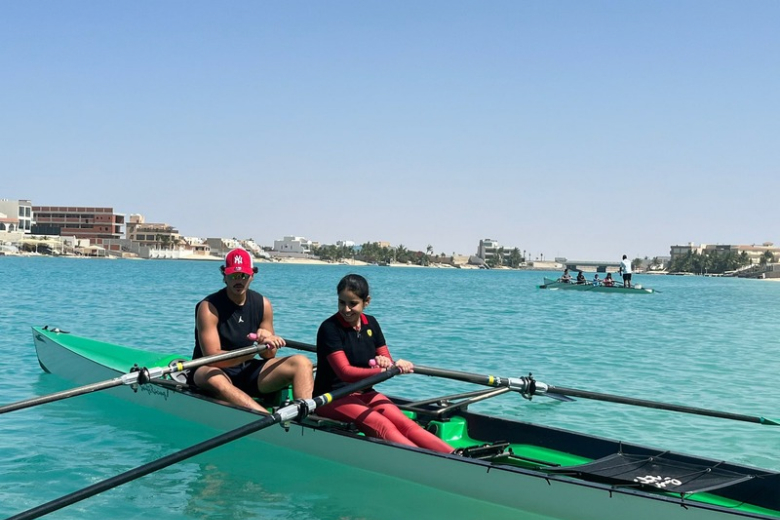 Working together on the water, Sherborne School Jeddah pupils develop teamwork, resilience and confidence through shared experiences beyond the classroom
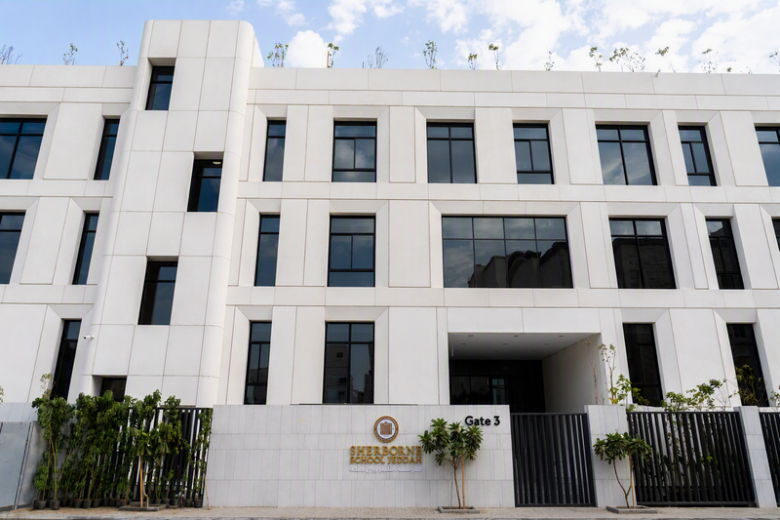 Sherborne School Jeddah brings British educational heritage into a new Saudi setting, creating a learning environment shaped by both tradition and local culture
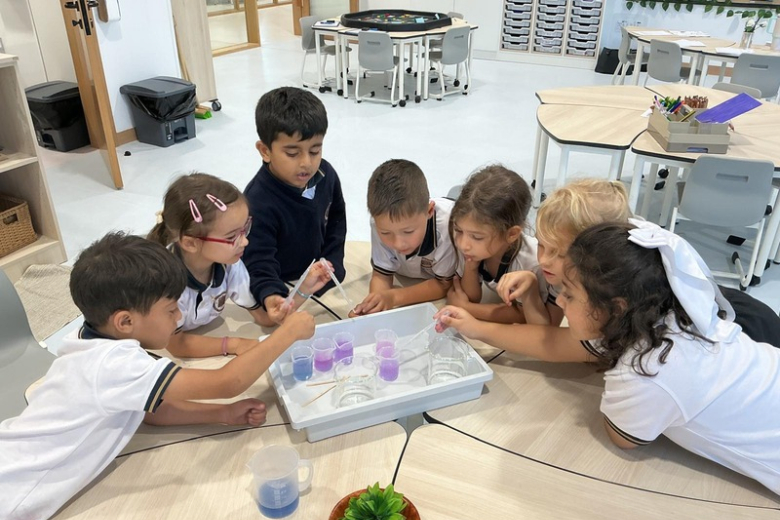 Curiosity comes to life in the science classroom as Sherborne School Jeddah pupils learn through practical exploration and discovery
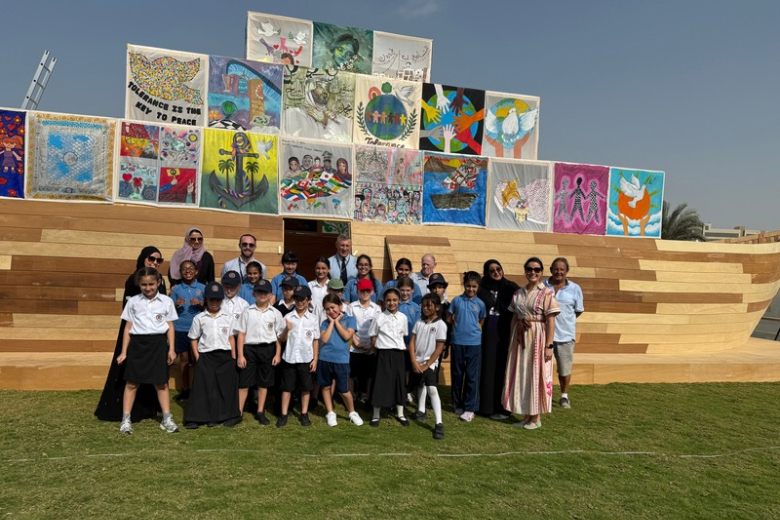 The Ship of Tolerance project gives Sherborne School Jeddah pupils an opportunity to explore respect, inclusion and understanding through creative learning
Education Saudi: How have expectations of schools and school leaders across the Middle East changed during your career?
Rachael: The role of the school leader has become far broader than it once was. Leaders are now expected to be strategic, culturally responsive, and capable of driving innovation whilst maintaining a strong focus on wellbeing and student outcomes. Throughout my time in the Middle East, I have found that resilience, adaptability, and agility are critical to success. Things change very quickly, with new initiatives and directives reflecting the region’s ambitious educational agenda.
Successful school leaders need to embrace change, remain culturally responsive, and ensure their schools are continually evolving to meet future needs.
Education Saudi: As you reflect on the school’s founding year, what moment stands out as particularly memorable or meaningful for you?
Rachael: Children constantly surprise us with their curiosity, creativity and resilience. Watching a student overcome a challenge, master a new skill, or achieve something they never thought possible is one of the most rewarding aspects of education. What struck me most at the end of our founding year was the transformation in our students’ confidence. The difference between the children who walked through our doors at the beginning of the year and the young people they had become by the end was remarkable. That growth was driven by the unwavering encouragement of their teachers, the strong relationships they built, and the supportive community that surrounded them. Seeing children flourish in an environment where they feel known, valued and empowered to succeed is what makes education so inspiring.
For more information about Sherborne School, Please visit
Further Reading
- What to Look for in an Online British School, A Parent Checklist
- Saudi Arabia Reshapes Higher Education With New Admissions And Skills Focus