












The return to school can be exciting for children, but the sudden change in routine can also bring stress, tiredness and anxiety.
After weeks of later mornings, flexible mealtimes, family outings and unstructured play, children in Saudi Arabia may find the return to early starts and full school days a significant adjustment. For some, the challenge is not the classroom itself. It is everything that surrounds it.
Waking up earlier, getting dressed quickly, eating breakfast, travelling to school, concentrating for several hours, managing friendships, completing homework and then fitting in activities can leave children feeling overwhelmed.
Back-to-school routine matters because children need time to adjust to the pace and expectations of the school day. A gradual return to familiar patterns can make the transition easier and help children feel more secure.
For parents, the key is not to create a perfect schedule overnight. It is to help children rebuild their rhythm while allowing enough time for rest, play and connection.
Why The Back-To-School Routine Can Feel Stressful For Children
School brings structure, but that structure can feel demanding after a long holiday.
During the summer, children may have become accustomed to staying up later, sleeping in, eating at different times and having greater freedom over how they spend their day. Returning to school means that many of those choices disappear. Suddenly, the morning has a deadline.
There is a time to wake up, a time to leave home and a time to arrive at school. Once the school day begins, children are expected to concentrate, follow instructions, move between lessons and manage social situations.
After school, there may be homework, sports, clubs, family commitments and preparation for the following day. Therefore, what parents see as a simple return to routine can feel like a major change for a child.
The NHS notes that children can experience tiredness, resistance, anxiety and emotional outbursts when adjusting to school routines. Predictability can help reduce the mental effort involved in constantly working out what comes next.
Sleep Is Often The First Place To Start
One of the biggest changes between the holidays and school term is sleep.
Children who have become used to later bedtimes may struggle when they suddenly need to wake early for school. This can leave them tired before the school day has even started.
The American Academy of Pediatrics recommends helping children adjust to earlier bedtimes before school begins and maintaining a consistent bedtime routine. Adequate sleep also supports children’s health, learning and ability to manage emotions.
For parents, the transition does not need to happen in one night.
Start moving bedtime and wake-up time gradually. Keep the evening predictable and give children enough time to wind down before bed.
A calmer evening can include reading, a bath or shower, preparing school clothes and putting devices away before bedtime. The aim is to make sleep part of the routine rather than another source of conflict.
Make The Morning Predictable, Not Perfect
School mornings can quickly become stressful when every task becomes a last-minute decision.
Where possible, prepare uniforms, bags, lunchboxes and school equipment the night before. A child who knows what happens next may find the morning easier to manage.
A simple routine could look like this,
- Wake up at the same time each school day.
- Get dressed before moving on to other activities.
- Eat breakfast without rushing.
- Check the school bag together.
- Leave enough time for the journey.
- Keep the final few minutes before leaving calm and positive.
However, children do not need every morning to run perfectly.
There will be forgotten water bottles, missing socks and mornings when breakfast takes longer than expected. The important thing is to create enough predictability that small problems do not become major sources of stress.
Give Children Time To Decompress After School
Another common mistake is assuming that children are ready to begin homework or activities immediately after coming home.
A full school day can be tiring. Children have spent hours listening, learning, communicating, following routines and managing their behaviour. As a result, some children need quiet time before they can concentrate again.
This might mean having a snack, talking about their day, playing quietly, reading or simply having some time without demands.
The NHS advises families to allow children time to decompress after school, particularly during the first few weeks of returning to a structured routine. Parents can therefore think about the afternoon as a transition too.
School does not have to end the moment a child walks through the front door.
Be Careful Not To Overload The Week
The return to school can also bring a packed extracurricular timetable. Sports, music, tutoring, clubs and other activities can all provide valuable opportunities. However, adding too many commitments at once can leave children with very little time to rest. This is particularly important during the first weeks of term.
Parents can look at the whole week rather than considering each activity separately. A timetable that looks manageable on paper may leave very little unstructured time when travel, homework and family commitments are included. Therefore, ask whether your child has enough time to sleep, eat, play, relax and spend time with family.
Free time is not wasted time. It can help children recover from the demands of the school day.
Help Children Understand What Is Changing
Some children become anxious because they do not know what the new school year will look like. They may be wondering about their teacher, classroom, classmates, timetable, homework or expectations.
Talking about these changes can make them feel more manageable. If your child is starting a new school or moving into a new year group, consider visiting the school before the first day where possible. Seeing the entrance, classroom or familiar areas can make the environment feel less unknown.
The American Academy of Pediatrics also recommends helping children rehearse unfamiliar school situations and talking through worries before the first day.
Parents can ask simple questions such as,
“What are you looking forward to?”
“Is there anything you are worried about?”
“What would help you feel more comfortable?”
The aim is not to remove every worry. Instead, it is to show children that they can talk about their feelings and that adults will help them work through problems.
Watch For Signs That Routine Stress Is Becoming Too Much
Some tiredness and irritability are normal when children return to school. However, parents should pay attention if difficulties continue or begin interfering significantly with everyday life.
Changes such as persistent sleep difficulties, frequent stomach aches or headaches, withdrawal, ongoing tearfulness, strong resistance to attending school or significant changes in behaviour may be worth discussing with the school.
Teachers and pastoral or wellbeing staff can often help parents understand whether a child is struggling with workload, friendships, classroom expectations or another aspect of school life.
Early conversations can make it easier to provide support before concerns become more difficult to manage.
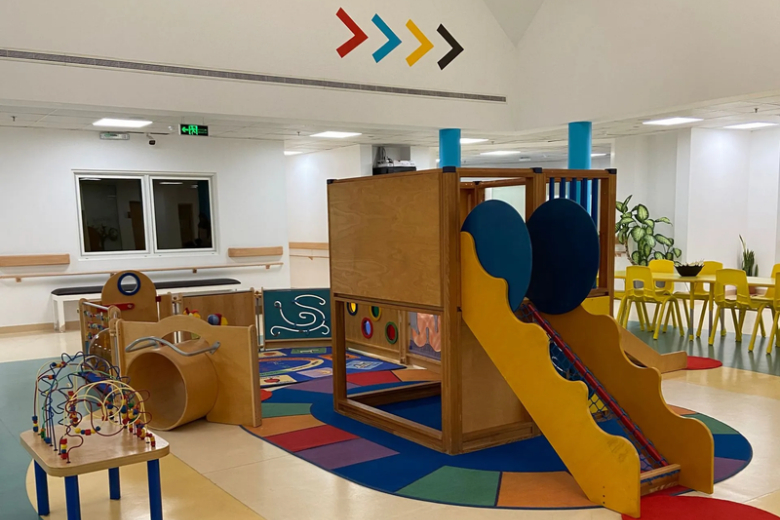 Play area for Reception Years, Royat Al-Ebtikar International School
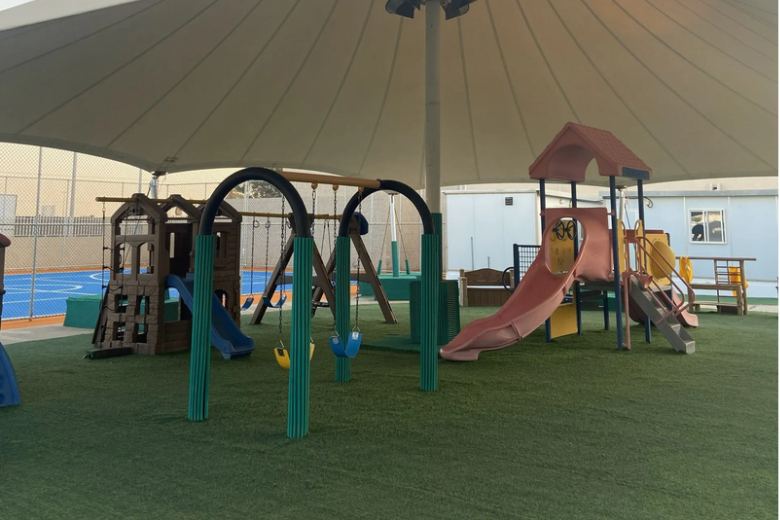 Outdoor Playground, Royat Al-Ebtikar International School
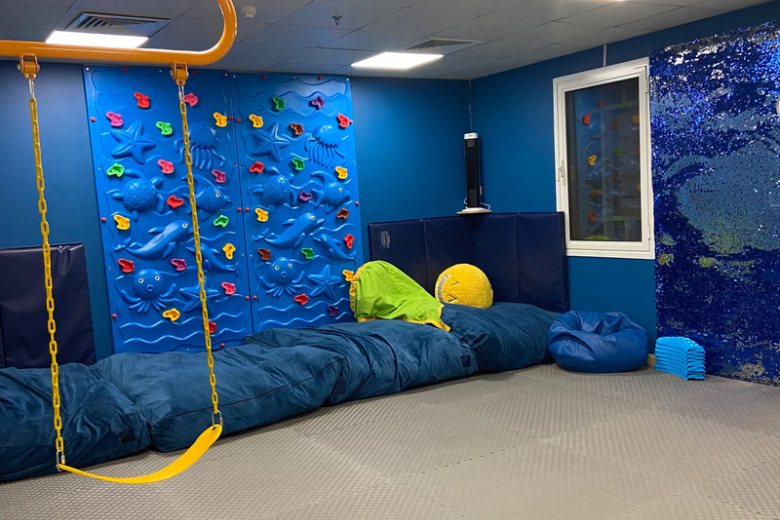 Innovative Sensory Room, Royat Al-Ebtikar International School
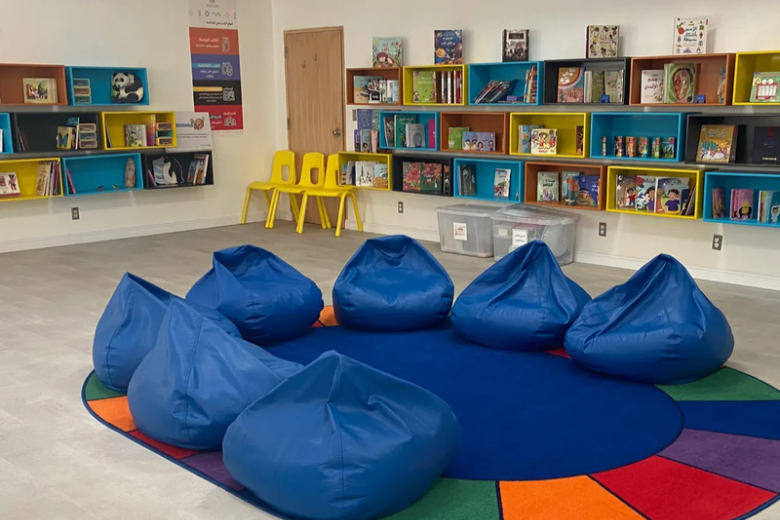 Library and Reading Room, Royat Al-Ebtikar International School
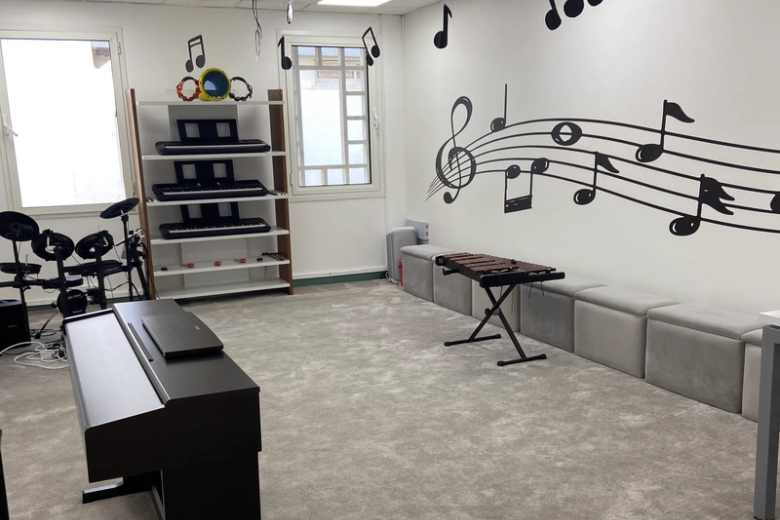 Music Room, Royat Al-Ebtikar International School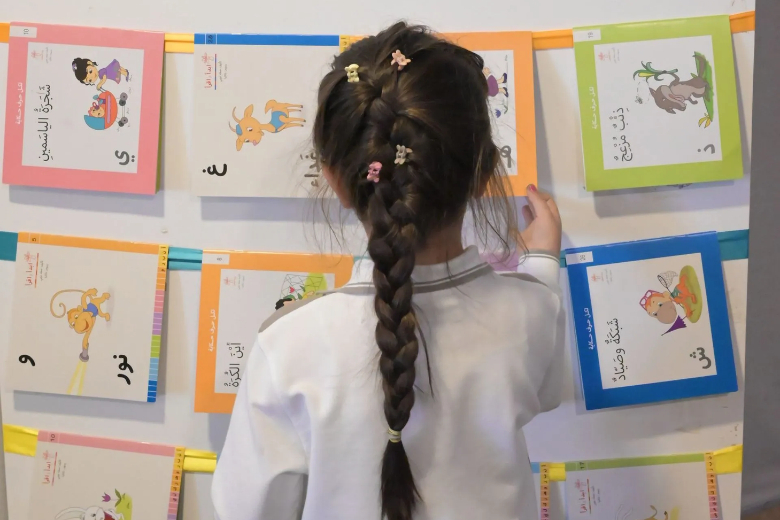
What ROYA School’s Approach Shows About Wellbeing And Learning
The conversation around back-to-school stress is also closely connected to what happens during the school day.
A child’s experience of school is not only shaped by the timetable. It is also influenced by whether they feel involved, supported, connected and able to take an active role in their learning.
Royat Al-Ebtikar International School in Jeddah provides one example of an approach that brings wellbeing, practical learning and student responsibility together.
The school’s published parent guidance highlights a holistic approach that considers academic learning alongside personal growth, character development and social responsibility. Its recent activities also show students taking active roles in learning about health, fitness, personal hygiene and self-care.
For example, ROYA’s Wellness Warriors event involved Primary students in Years 2 to 5 in student-led activities around healthy lifestyles and physical wellbeing. Students helped organise activities, communicate with visitors and take responsibility for different parts of the event.
This type of practical experience can give children opportunities to build confidence, communication, teamwork and independence alongside their academic learning. That matters when considering back-to-school stress.
Children are not simply returning to a schedule. They are returning to a community where they need to feel that they belong and can contribute.
How Schools Can Help Children Cope With Back-To-School Stress
ROYA’s approach also highlights the value of connecting classroom learning with real-life experiences.
Its published school activities include opportunities for students to explore health, teamwork, cultural learning, leadership and community. The school has also emphasised partnership with parents, including providing families with information about school expectations, communication and children’s wellbeing.
For parents, this offers a useful reminder that managing back-to-school stress is not only about what happens at home. The relationship between home and school matters too.
Parents can share relevant concerns with teachers and ask how their child is settling into the new routine. Schools, meanwhile, can help children adjust by creating predictable expectations, encouraging relationships and giving students opportunities to participate.
Children can also find a new routine easier to accept when they have some involvement in creating it. Younger children might choose between two breakfast options or decide which book to read before bed.
Older children can help organise their school bags, plan homework time or decide when they would like to complete certain tasks.
This does not mean allowing children to decide everything. Parents still provide the structure and boundaries.
Instead, small choices can help children develop independence and a sense of control. Over time, children can begin taking more responsibility for preparing themselves for school.
Why The First Few Weeks Should Not Be Perfect
The first weeks of a new school year do not need to look exactly like the rest of the term.
Children may be more tired. They may become emotional over small things. They may need more reassurance at bedtime or more quiet time after school.
This does not necessarily mean something is wrong. Returning to school is a process.
Parents can therefore adjust the routine as they learn what works for their child. If homework is becoming difficult because the child is exhausted, consider whether the timing needs to change. If mornings are consistently rushed, prepare more the night before.
The goal is a routine that supports the child rather than a routine that creates additional pressure.
Back-To-School Stress Is About More Than The First Day
For families across Saudi Arabia, the return to school can mean a major shift in the rhythm of everyday life.
Children move from the freedom of the holidays to earlier mornings, structured lessons, homework, social expectations and activities.
That adjustment can take time.
Parents can make it easier by reintroducing routines gradually, protecting sleep, allowing downtime and keeping communication open. Schools also have an important role in creating environments where children feel supported, involved and connected.
Ultimately, a successful return to school does not mean having a flawless first week.
It means helping children find their rhythm again.
When children know what to expect, have enough time to rest and feel that the adults around them understand the pressures of the school day, the transition can become much easier.
And sometimes, the most helpful thing a parent can do is recognise that a tired or emotional child may simply be adjusting to having a school day again.
Further Reading
- The New Education Landscape of Saudi Arabia
- What Makes A School Feel Like The Right Place For Your Child?