













A nurturing school environment can shape far more than a child’s academic progress. When children feel safe, valued and connected, they are more likely to participate, take on challenges and develop confidence in their abilities.
For parents choosing a school, exam results can be an important consideration. However, they only tell part of the story.
Children spend a significant part of their lives at school. The relationships they build, the way adults respond to mistakes and the opportunities they have to discover their strengths can all influence how they experience learning.
A nurturing school environment does not mean removing challenges. Instead, it gives children the support they need to face those challenges with greater confidence.
Why A Nurturing School Environment Matters
Children do not arrive at school ready to learn in isolation. Their emotional wellbeing, relationships and sense of belonging can affect how they engage with lessons and activities.
This is particularly important when pupils encounter something difficult. A child who feels supported may be more willing to ask for help, try again or accept that making mistakes is part of learning.
Meanwhile, children who feel disconnected or worried may find it harder to concentrate or take part.
Maslow’s well-known hierarchy of needs offers one way of thinking about this. The model suggests that people have different needs that influence motivation, from basic needs and safety to belonging, esteem and self-actualisation.
In schools, this provides a useful reminder that academic learning does not happen separately from a child’s wider experience.
A nurturing school environment therefore needs to consider the whole child.
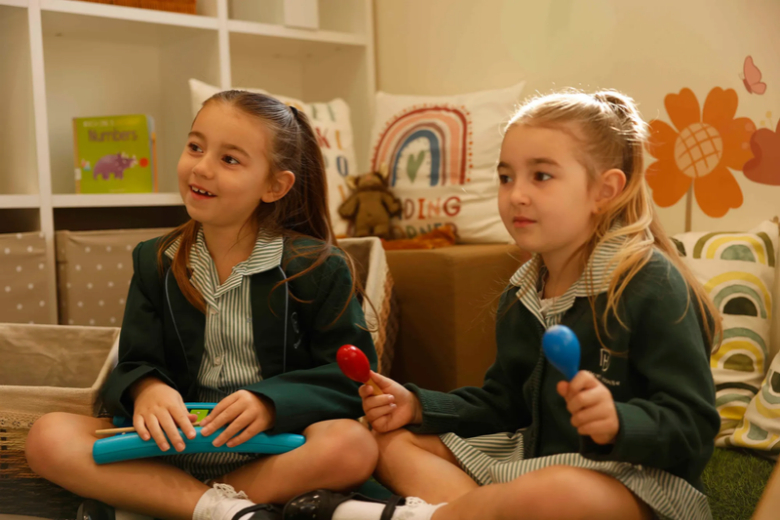
Belonging Can Make A Difference
Feeling that you belong can be particularly important during the school years.
Friendships can bring happiness and confidence, but they can also become complicated as children grow older. For some pupils, navigating changing friendships can be one of the more difficult parts of school life.
Schools can help by giving pupils trusted adults they can speak to and opportunities to build positive relationships with their peers.
Small tutor groups, individual conversations, clubs, sports and house activities can all create these opportunities.
For parents, it is worth asking schools how they help children build friendships and what support is available when relationships become difficult.
It is also useful to ask how teachers get to know pupils beyond their academic performance.
A child who knows that an adult will listen to them may feel more comfortable asking for support when they need it.
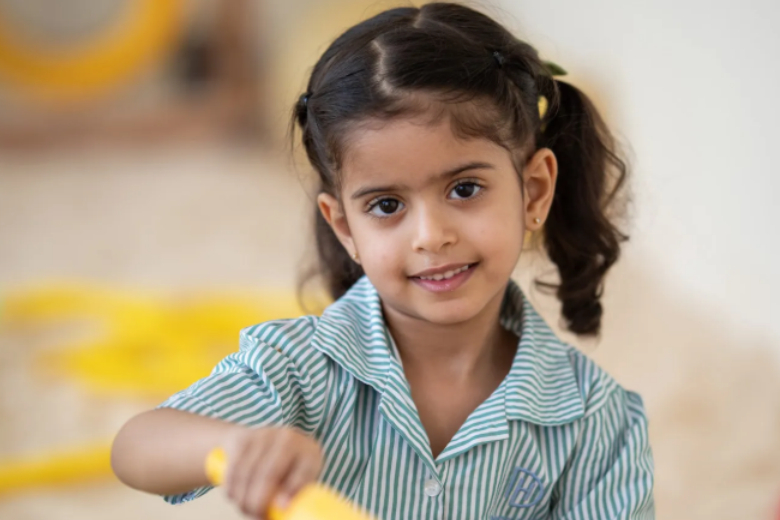
Confidence Grows Through Encouragement
A nurturing school environment should also help children develop a healthy sense of self-esteem.
Praise can be helpful, but children also need constructive feedback. They need to understand what they have done well, where they can improve and what they can do next.
This is where the idea of a growth mindset can become useful. Rather than viewing ability as fixed, pupils can learn to see effort, practice and persistence as part of improvement.
Furthermore, clear expectations can give children a sense of consistency. When rules are applied fairly and adults respond calmly, pupils know what is expected of them.
Learning does not only happen in classrooms, either.
Sport, music, drama, debating, creative activities and other co-curricular opportunities can allow children to discover strengths that may not always emerge through academic work.
These experiences can help pupils learn how they respond to challenge, teamwork and responsibility.
How Schools Can Build A Nurturing Culture
Creating a nurturing school environment is not the responsibility of one teacher or one wellbeing team.
It needs to be part of the wider school culture.
Teachers can build relationships with pupils through regular conversations and thoughtful feedback. School leaders can ensure that pastoral care is treated as an important part of school life. Meanwhile, parents can work with schools to understand how their child is settling in and where they may need additional support.
Downe House Riyadh provides one example of how a school can approach this.
The school uses individual tutorials and small tutor groups to give pupils opportunities to develop relationships with trusted adults. Its house system also brings pupils from different year groups together for activities including sport, debating, performances and singing competitions.
The school describes its values as the Downe House DNA, which it says is embedded across school life and helps pupils develop their own sense of identity and values.
These approaches reflect a wider principle. Children need opportunities to feel that they are known, valued and part of their school community.
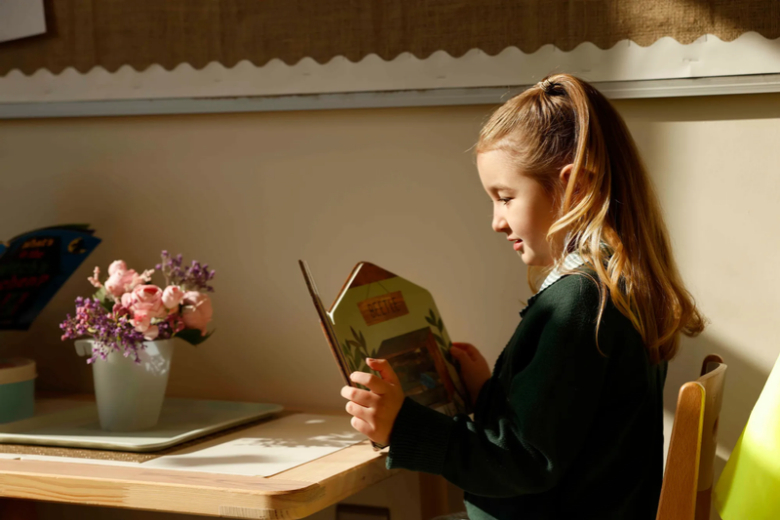
What Parents Should Look For When Choosing A School
When visiting a school, parents can look beyond classrooms, facilities and examination results.
Ask how the school supports pupils who are struggling socially or emotionally. Find out how teachers communicate with families when concerns arise.
Parents can also ask how the school develops friendships, confidence and independence.
It can be useful to observe how adults speak to pupils during a school visit. Do teachers listen? Do pupils appear comfortable asking questions? Are children encouraged to try things even when they might not get them right immediately?
These small details can reveal a great deal about the culture of a school.
Ultimately, academic achievement and wellbeing do not have to sit separately. A child who feels secure, connected and encouraged is more likely to engage with learning and develop the confidence to take on new challenges.
A nurturing school environment cannot guarantee a particular result. It can, however, give children the relationships, support and confidence they need to make the most of their education.
For more information please visit
Further Reading
- Downe House Riyadh Students Excel in Mawhiba Assessment and Secure Global University Offers
- Downe House Riyadh Recognised Among Top Global Schools by ABT International