










A Guide to Arriving With an Open Mind, Finding Your Place and Understanding One of the Fastest-Changing Education Landscapes in the Region
Saudi Arabia taught me that moving countries is not about becoming someone different. Sometimes it is about discovering which parts of you remain when everything familiar changes – Joanni Erasmus, Academic Development, King Faisal School, Riyadh
After almost two decades in international education, I thought I understood what it meant to move countries.
I have taught and led in South Africa, South Korea, China, Oman and the UAE. I had opened schools, worked across different curricula, navigated inspections, accreditation, school improvement and all the wonderfully complicated realities of international education.
Then, in January 2026, I moved to Riyadh. And Saudi Arabia surprised me.
Not because it was completely different from what I expected, but because so much of what I thought I knew about the Kingdom was already outdated.
Saudi Arabia is changing extraordinarily quickly. And nowhere is that more visible to me than in education.
First, Understand the Education Landscape You Are Entering
Saudi education is not simply importing international education models. There is a much more interesting conversation happening.
Schools are balancing international curricula and accreditation expectations with national priorities, Arabic language, Islamic education, Saudi identity and an increasingly sophisticated focus on educational quality and accountability.
For an international educator, that means understanding that your previous experience is valuable but it isn’t automatically transferable.
I work at an IB World School where international education, American standards, national requirements and Saudi context intersect. My role within Academic Development has given me the opportunity to look across curriculum, teaching and learning, assessment, data, policy, leadership and school improvement. One of my biggest lessons has been this,
Saudi Education Is Moving Towards Evidence
One of the most exciting things about working here is the growing conversation around measurable educational quality. External benchmarking, national assessment, accreditation, inspection readiness, curriculum alignment, student progress and data-informed decision-making are becoming increasingly important.
For educators considering Saudi Arabia, particularly those moving into leadership positions, this matters. Come prepared to talk about impact, not simply activity.It is no longer enough to say, We implemented a programme.
The better questions are, Did it work? For which students? What evidence demonstrates that? What changed because of it?
That shift is enormously exciting for educators who enjoy school improvement because there is genuine opportunity to help build systems rather than simply inherit them.
Come To Contribute, But Come To Learn
This may be the most important advice I could give another international educator.When you arrive with years of international experience, it is tempting to immediately see what should change. Resist that temptation. Observe first. Listen. Ask questions. Understand why systems exist before trying to redesign them.
Saudi schools have institutional histories, cultural expectations and relationships that existed long before you arrived and will continue long after you leave. Fresh eyes are valuable. Fresh eyes without context can be dangerous.
My own work in Academic Development has reinforced this repeatedly. Before making decisions, we observe lessons, audit systems, analyse data, speak to people and triangulate evidence.
The same principle applies to relocating. Spend your first two-three months being curious rather than certain.
Three Things I Wish Someone Had Told Me
- Relationships come before systems
You may arrive with frameworks, spreadsheets, strategic plans and impressive international experience. None of them will replace trust. Take time to know your Saudi colleagues. Drink the coffee. Accept the invitation. Ask questions. Listen to people’s stories. Some of the most valuable professional conversations happen outside formal meetings. And never underestimate the importance of Arabic coffee.
- Saudi Arabia operates through relationships
Things can sometimes feel less predictable than educators coming from highly procedural systems expect. A conversation can move something forward remarkably quickly. Something apparently straightforward may take longer because the right conversation has not happened yet. You learn to navigate both the formal structure and the human structure. That is not necessarily inefficient. It is a different way of working. Understanding that distinction makes life considerably easier.
- Don’t spend your entire life inside the expatriate bubble
This is something I feel strongly about. Explore. Drive outside Riyadh. Go into the desert. Try Saudi food. Attend cultural events. Learn basic Arabic. Speak to people. Travel around the Kingdom. Saudi Arabia is enormous, geographically and culturally. If your entire experience consists of your compound, workplace and favourite international restaurant, you may leave having worked in Saudi Arabia without ever really experiencing it.
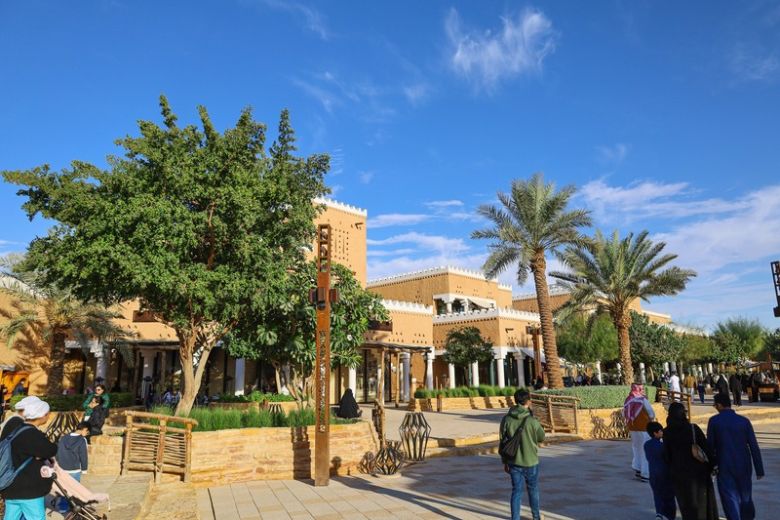 Learning to live in Saudi Arabia means stepping outside familiar routines and becoming curious about the culture around you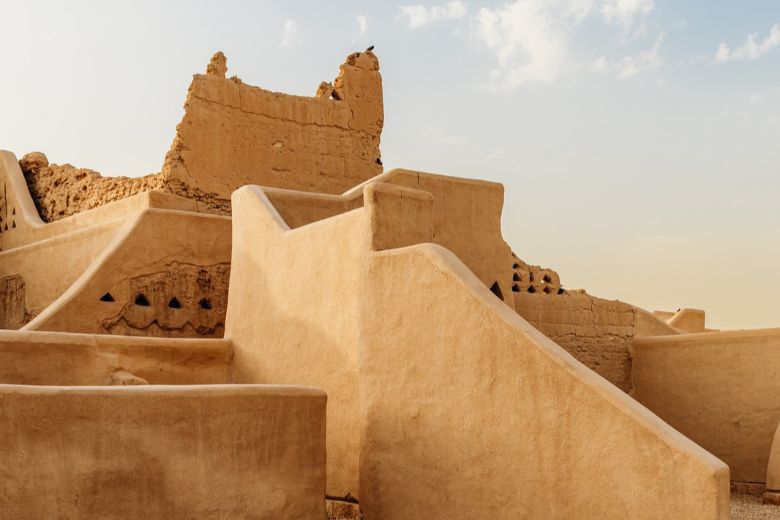
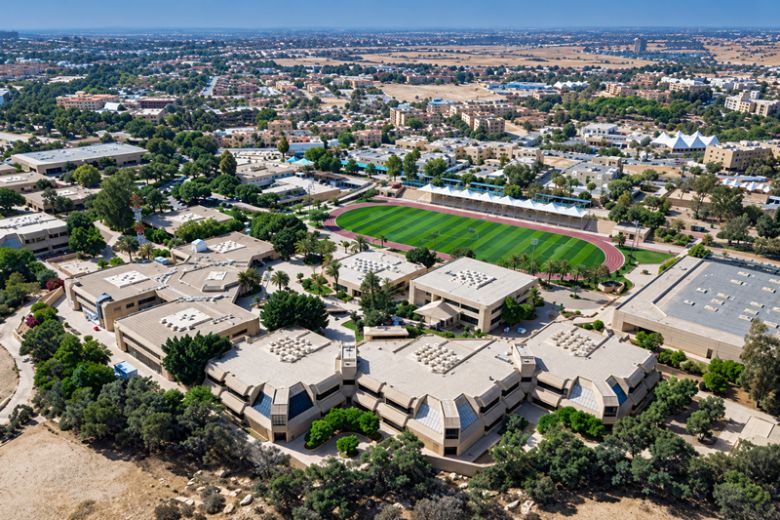
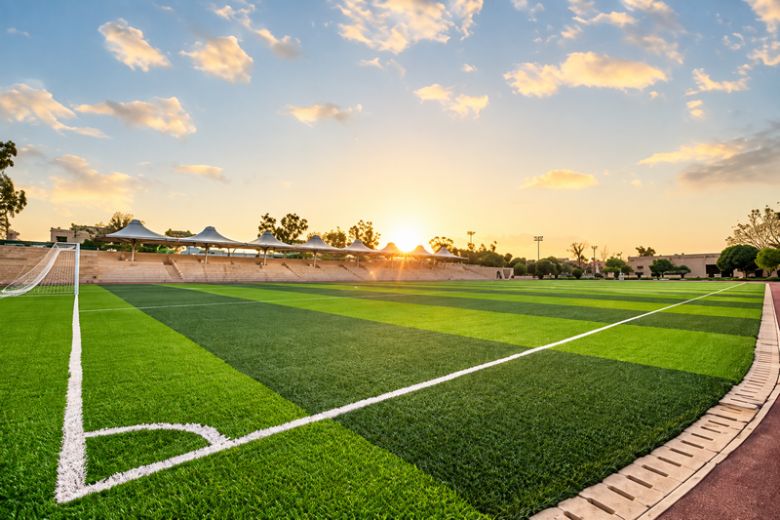
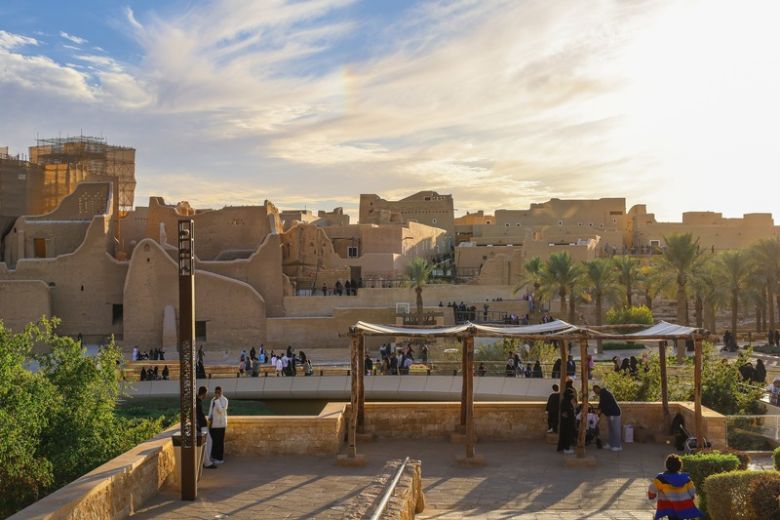
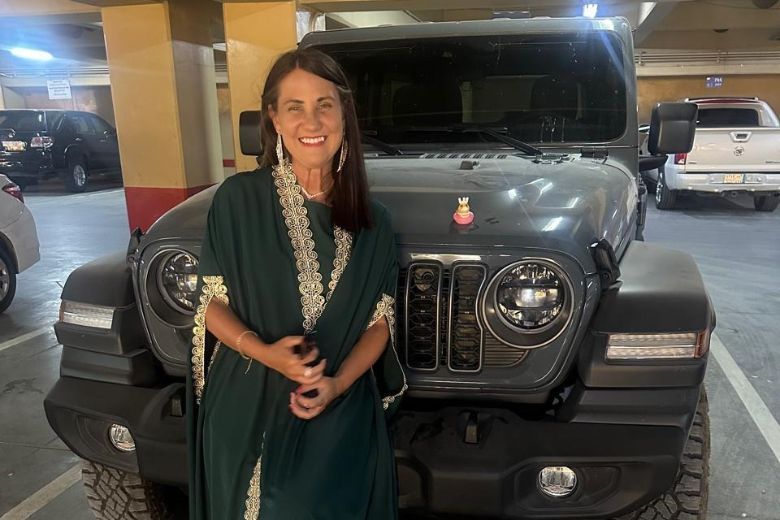
- A teacher’s new journey. discovering life, culture, and opportunities in Saudi Arabia
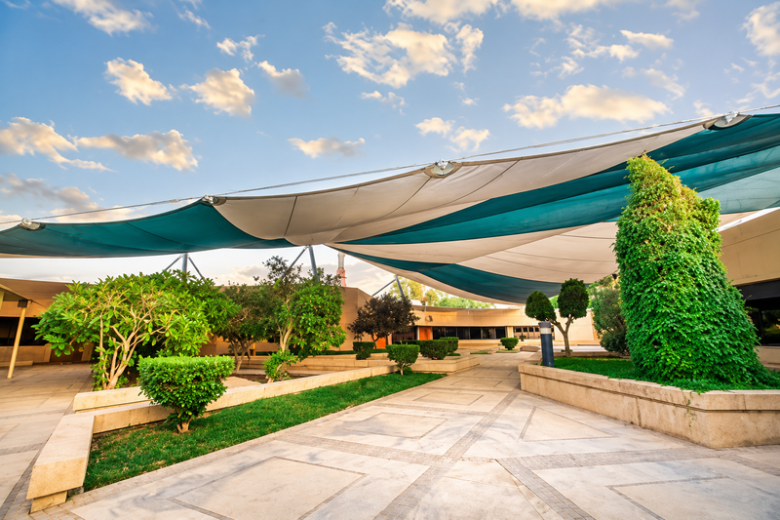 Moving to Saudi Arabia brings new experiences, new challenges, and a fresh chapter in the classroom
What Surprised Me About Riyadh
The pace of change. The Riyadh you arrive in may genuinely not be the Riyadh you leave.
How much there is to do. Restaurants, events, sports, entertainment, desert experiences, cafés and increasingly diverse lifestyle options make the city very different from older expatriate descriptions of Saudi life.
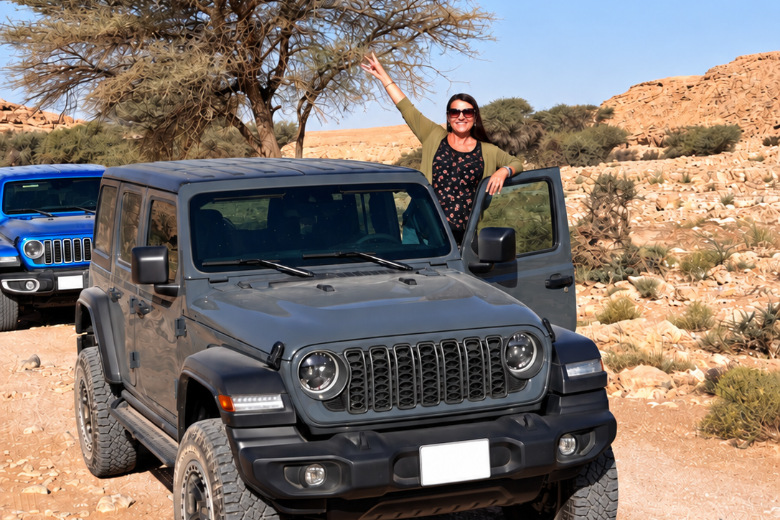
How safe I feel. As a woman living independently, this has been one of the most noticeable aspects of my experience. The driving.I drive a Jeep Wrangler. I love my Jeep. I love Riyadh. I am still not prepared to defend Riyadh traffic. Some experiences build resilience. Riyadh’s roads build character.
For Women Considering The Move
Women considering Saudi Arabia sometimes arrive with more anxiety because so much international perception of the country is based on an earlier Saudi Arabia. My experience has been far more nuanced.
I work, drive, travel, live independently and have built a life here.
There are cultural norms to understand and respect, just as there are when moving anywhere in the world. But respecting the culture does not mean losing yourself.
I have actually found something quite liberating about starting again in Saudi Arabia. You learn which parts of your identity belong to a particular job, country or chapter and which parts are genuinely yours.
Before You Accept the Job
Do not evaluate an international-school offer purely by salary. Ask about the whole package.
Understand accommodation, medical insurance, annual flights, visa and residency arrangements, transport, working hours, school calendar, professional development, end-of-service benefits and exactly what the school expects from your role.
Then investigate the school itself.
Jo’s Riyadh Survival Kit
If I were packing for Saudi again, my non-negotiables would be,
Patience. Things will occasionally make absolutely no sense until suddenly they do.
Google Maps. Although it will occasionally introduce you to a road that appears to exist only philosophically.
A sense of humour. Essential equipment for international education everywhere.
Curiosity. Ask rather than assume.
Basic Arabic. Even a few words change interactions enormously.
Sunblock. This one requires no educational theory.
An open mind. Probably the most important thing you can pack.
And For Educators Specifically…
Come prepared to work. Saudi Arabia can offer excellent packages and lifestyles, but the education sector is developing quickly and expectations are increasing alongside it. Schools need people who can move beyond identifying problems and help build solutions.
Curriculum specialists. Data thinkers. Literacy experts. Strong classroom practitioners. Instructional coaches. Assessment specialists. Leaders who understand accountability. And, increasingly, people who can connect all of those things into coherent school-improvement systems. There is enormous opportunity here for educators who enjoy building.
That is probably what has excited me most.
My Five Rules For Moving To Saudi
- Don’t compare everything to the country you left.
You didn’t move thousands of kilometres to recreate your previous life.
- Learn before you lead.
Understanding context gives your expertise credibility.
- Build relationships intentionally.
They will shape both your professional and personal experience.
- Get outside your comfort zone.
The desert, the people, the food, the language and the culture are part of the education too.
- Give Saudi Arabia time.
Your first month is administration. Your first few months are an adjustment. Eventually, somewhere between the traffic, Arabic coffee, school meetings and weekend adventures, it begins to feel like your life.
The Bigger Picture
I moved to Saudi Arabia for a job. What I found was a country asking some fascinating questions about what its education system could become.
For someone completing doctoral work in curriculum, literacy, information processing and multilingual learners, while working in academic development and school improvement, that makes Saudi Arabia an incredibly interesting place to be an educator right now.
There are challenges. Of course there are. International education anywhere is messy.
But there is also something quite special about working within an education system during a period when expectations, structures and possibilities are changing simultaneously. You are not simply observing transformation. Sometimes, in a very small way, you get to help build it.
The pace of change. The Riyadh you arrive in may genuinely not be the Riyadh you leave.
Your first month is administration. Your first few months are an adjustment. Eventually, somewhere between the traffic, Arabic
coffee, school meetings and weekend adventures, it begins to feel like your life.
Don’t spend your entire life inside the expatriate bubble. This is something I feel strongly about. Explore.
I moved to Saudi Arabia for a job. What I found was a country asking some fascinating questions about what its education system could become.
Follow Jo on her adventures around Saudi Arabia for a glimpse of the incredible country and the opportunities available to all.
Further Reading
- Saudi Schools Receive 2026 Performance Cards Based On NAFS Results
- Saudi Indonesia Partnerships Expand Higher Education And Research Opportunities