












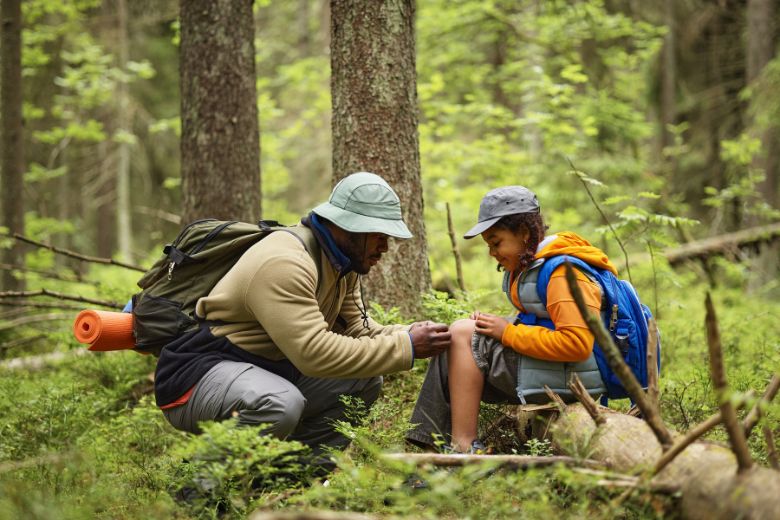
In the GCC region, education has always been viewed as a national priority, one closely linked to innovation, global competitiveness & the shaping of responsible future citizens. As the region invests heavily in knowledge economies and youth empowerment, educational travel is emerging as a powerful extension of classroom learning.
At EduVoyage, they see educational travel not as a luxury, but as a strategic learning tool that blends academic enrichment, cultural understanding & social responsibility.
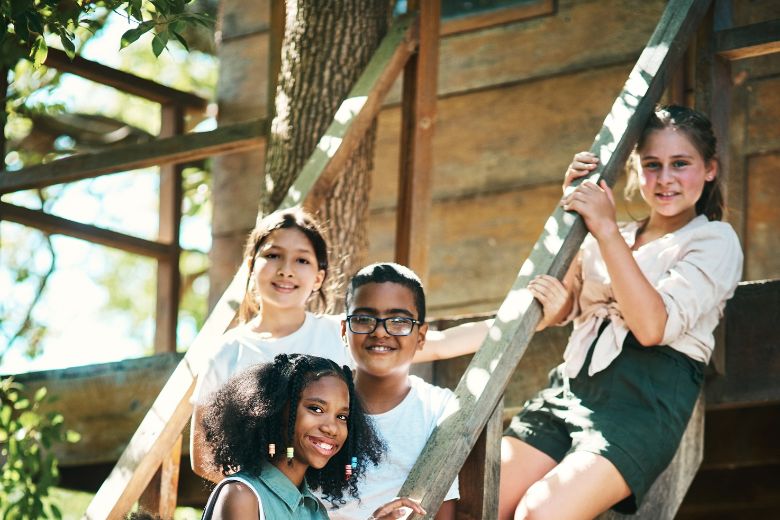
Educational travel, when thoughtfully designed, transforms theory into lived experience. A science lesson becomes tangible when students stand beneath a planetarium dome or participate in a space simulation. Leadership is no longer an abstract concept when young people collaborate across cultures, solve real-world problems, and engage with communities beyond their own. For parents and educators, these experiences align seamlessly with national visions that emphasize global exposure, innovation and character development. Rafeeq Mohammed, Chief Executive Officer, EduVoyage says,
“Educational travel is not about taking students away from learning – it’s about taking learning to life. When students are placed in environments where they can explore, question & apply knowledge in real-world contexts, the impact is deeper, more personal & far more lasting than traditional instruction alone.”
Inspiring Future Innovators Through STEM and Space Learning
One of the most exciting areas of growth in educational travel is space and STEM-focused programmes. The GCC’s commitment to space exploration – from satellite development to ambitious interplanetary missions has inspired a new generation of learners. Space camps and aerospace immersion programmes offer students hands-on exposure to robotics, astrophysics, coding & engineering design. Beyond technical skills, these programmes foster curiosity, resilience and teamwork. Students learn that experimentation, problem-solving and even failure are essential parts of innovation.
STEM-based educational travel doesn’t just teach science, it builds critical life-skills like teamwork, resilience, and creativity.
Nurturing Empathy and Global Citizenship
Equally important is the rise of programmes rooted in social responsibility and service learning. Today’s parents are increasingly conscious of raising children who are not only academically successful, but also empathetic and socially aware. Educational travel initiatives that incorporate community engagement – such as environmental conservation, cultural heritage preservation, or youth-led social innovation challenges – allow students to understand their role in a wider global context. These experiences encourage humility, responsibility, and ethical leadership, values deeply embedded in society.
When young people serve beyond borders, they don’t just see the world, they understand their place in it.
The region’s own rich heritage also plays a critical role in educational travel. Programmes that explore historical trade routes, archaeological landmarks and traditional arts help students connect with their identity while appreciating cultural diversity. When learners understand where they come from, they are better equipped to engage confidently with the world. Regional educational journeys, complemented by international exposure, help create a balanced worldview – rooted locally, yet open globally.
Outcomes for Schools
From an educational standpoint, travel-based learning supports outcomes that schools increasingly prioritise: critical thinking, collaboration, communication and adaptability. Students navigating new environments must manage time, work in teams and respond to unfamiliar challenges. These are life skills that cannot be fully developed through textbooks alone. For schools in region following international curricula or national frameworks focused on holistic development, educational travel offers a meaningful bridge between academic standards and practical application.
Safety, structure and purpose remain key considerations for parents. Well-designed educational travel programmes address these through clear learning objectives, experienced educators, strong safeguarding practices, and alignment with curricular goals. When implemented effectively, educational travel becomes an extension of learning – often re-engaging students who may struggle to thrive within conventional classroom settings.
Educational travel, when thoughtfully designed, transforms theory into lived experience.
Looking ahead, the future of educational travel in the GCC lies in intentional design. Programmes must move beyond sightseeing to deliver immersive learning journeys with measurable outcomes. Strategic partnerships with schools, innovation hubs, cultural institutions and sustainability organisations will be essential in ensuring relevance and long-term impact.
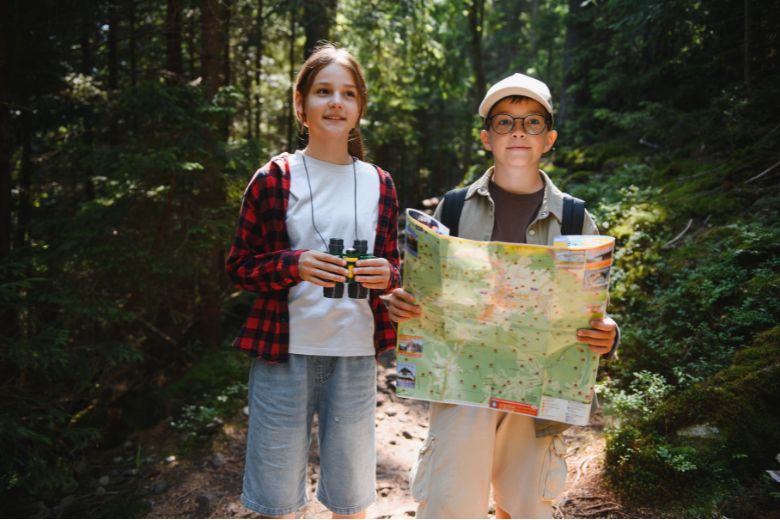
For the wider education community, educational travel represents an opportunity to nurture globally competent, socially responsible, and future-ready learners. As Rafeeq concludes,
“When students travel with purpose, they don’t just gain knowledge, they gain perspective. And perspective is one of the most powerful tools education can offer.”
At EduVoyage, they believe that some of the most meaningful lessons happen beyond classroom walls. In a region shaping the future, educational travel is not just about where students go, it’s about who they become along the journey.
For more information please visit,
Further Reading:
- Saudi Arabia Tightens Regulatory Framework for Private Schools with New Infrastructure Standards
- Saudi Arabia Issues New Rules for Private Schools, Nurseries, and Learning Facilities