











Saudi Arabia has strengthened its global education standing with the inclusion of three new cities in UNESCO’s Global Network of Learning Cities. Riyadh, AlUla and Riyadh Al Khabra have been officially admitted under UNESCO’s 2025 update, taking the Kingdom’s total membership to eight cities and marking a significant step in its drive to embed lifelong learning across society.
The recognition reflects Saudi Arabia’s commitment to aligning education with global sustainable development goals while preparing communities for future skills, innovation and digital transformation.
UNESCO Recognition and National Impact
UNESCO confirmed the new admissions after the three cities met international benchmarks for integrating learning into everyday life. Learning opportunities are embedded not only in schools and universities, but also in workplaces, public spaces, digital platforms and homes.
With the latest additions, Saudi Arabia now has eight cities in the UNESCO Global Network of Learning Cities: Jubail, Yanbu, Madinah, Al Ahsa, King Abdullah Economic City, Riyadh, AlUla and Riyadh Al Khabra. The 2025 expansion saw 72 cities from 46 countries join the network, bringing the global total to 425 cities.
UNESCO described the newly recognised Saudi cities as dynamic environments that expand opportunities for workforce reskilling and upskilling, improve literacy among those who missed early formal education, support readiness for an AI driven future and foster a culture of entrepreneurship.
What Defines a UNESCO Learning City
To gain admission, cities must demonstrate a holistic approach to learning that supports people of all ages. In Saudi Arabia’s case, this includes programmes focused on workforce development, digital skills, literacy and innovation, alongside inclusive access to learning resources.
These efforts directly support Saudi Vision 2030, which places education, human capital development and innovation at the centre of economic diversification. Strengthening lifelong learning systems is also a key objective of national initiatives such as the Human Capability Development Program.
AlUla’s Lifelong Learning Blueprint
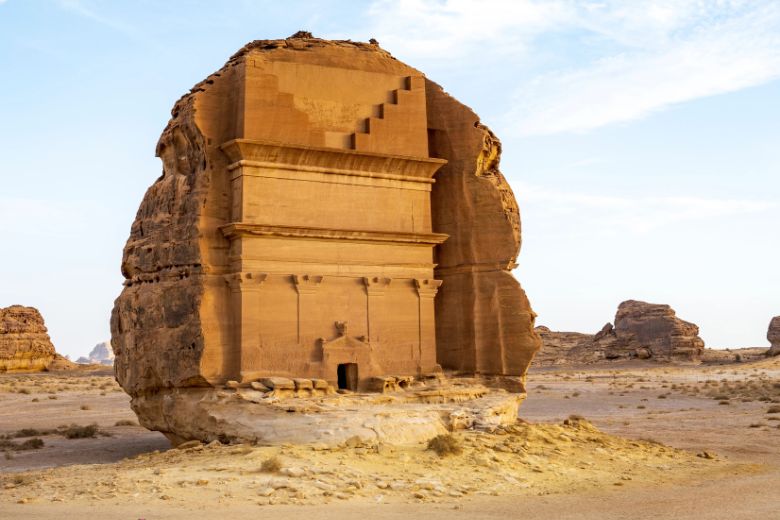
AlUla offers a distinctive example of how education, heritage and sustainability can work together. Home to the UNESCO World Heritage Site of Hegra, the city has developed a lifelong learning framework aligned with UNESCO’s learning city mandate, featuring more than 40 initiatives.
Flagship programmes such as the AlUla Scholarship Programme and the Elaa Academy focus on inclusion, heritage conservation, innovation and environmental sustainability. Community initiatives like Ready to Read promote literacy and STEAM learning for children, while community based learning through art, nature and heritage connects residents with their cultural and ecological context through experiential learning.
Cities at the Heart of Global Learning
The announcement reinforces the growing role of cities as engines of education and skills development worldwide. Commenting on the 2025 intake, Stefania Giannini, UNESCO Assistant Director-General for Education, said the new members are
“redefining what it means to learn, turning every street, library, workplace, museum and home into a space for knowledge and innovation.”
By expanding its presence within the Global Network of Learning Cities, Saudi Arabia continues to position its cities as catalysts for lifelong learning, future ready skills and a knowledge based economy in line with Vision 2030.
For more information please visit,
Further Reading:
- Madrasati: A Saudi Digital Education Model Shaping the Future of Learning
- Saudi Cabinet Approves University of Strathclyde Branch in Riyadh to Boost Higher Education Sector