











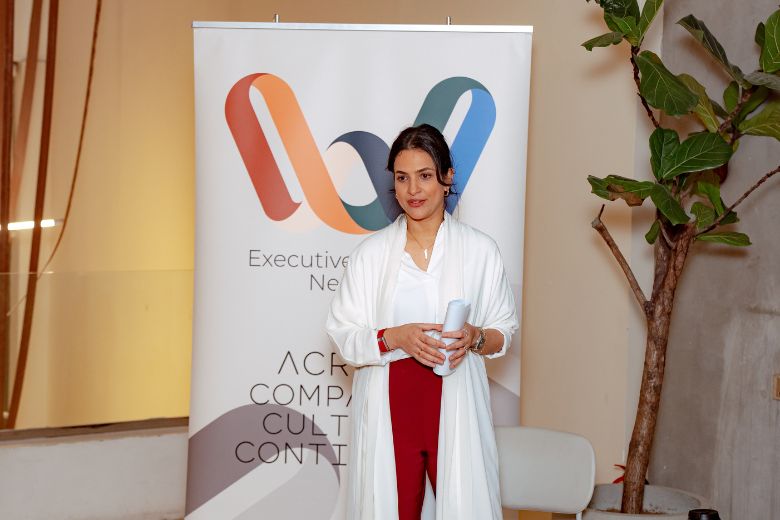
Riem Elfar is an HR leader, coach, founder of W, a cross-sector Women in Leadership Network in Riyadh and mother of three. She helps working mothers align ambition with purpose, manage systemic pressures, and build careers and lives that last.
The Quiet Tension Behind Visible Success
For many working mothers, success looks impressive from the outside. Careers are progressing, and opportunities finally align with long-held ambitions. Yet beneath this lies a quieter reality. The tension many women experience is internal and systemic. It is about identity, purpose, and the societal expectations placed on women at home and at work.
“Most working mothers say they are managing today’s demands, yet remain deeply concerned about the future of working motherhood.”
A Regional Shift from Access to Sustainability
Across the Gulf Cooperation Council, this tension is increasingly visible. Women’s workforce participation has grown over the past decade, with more stepping into leadership across Saudi Arabia, the UAE, and the wider region. As a result, the conversation is shifting from access to opportunity toward sustainability, longevity, and what fulfilment looks like once ambition becomes reality rather than future aspiration.
“The struggle working mothers face is internal and systemic, not just logistical.”
Listening to Patterns Across Systems and Lives
Riem Elfar, an HR executive, leadership coach, and mother of three, has spent her career working at the intersection of people, culture, and systems, building inclusive workplaces by addressing bias, strengthening policies, and modelling healthier leadership. Her coaching supports mothers lead through pressures and choices.

Across both roles, recurring themes emerge: capability alongside fatigue, gratitude alongside unspoken guilt, and ambition that remains alive but reshaped by motherhood.
“Personal effort cannot fix systems that were not designed for caregiving.”
What the Research Reveals
While writing Strategic Surrender, Riem surveyed 150+ women, mostly in the GCC. Many felt proud of professional progress, yet overwhelmed balancing work and family. Support systems are fragmented and employers moderately supportive. Most notably, many women voiced concern for the future of working mothers, highlighting anxiety about both present pressures and long-term sustainability.
Strategic Surrender as a Lens for Alignment
Moderating a conference on women’s advancement, Riem noted unease when a speaker celebrated a mother joining a work call a day after giving birth as a model of dedication. This reinforced the need for a different narrative. Strategic surrender is not a retreat from ambition, but a thoughtful response to complexity. Rather than encouraging women to do more or endure longer, it encourages defining personal success, aligning priorities across life stages and balancing economic realities with wellbeing.
When Individual Effort is no Longer Enough
Even with clarity, individual effort has limits. Strategies for resilience and time management cannot fully compensate for systems that were not designed with caregiving in mind. Recruitment that penalises career breaks, cultures rewarding constant availability, and leadership equating presence with commitment shape parent experiences.
“Strategic surrender is not a retreat from ambition, but a response to complexity.”
Designing Success that Endures
There is, however, reason for optimism. GCC policy developments, including extended maternity leave, the introduction of paternity leave in the UAE, and childcare and transport initiatives in Saudi Arabia, signal growing recognition of working parenthood. Yet policy alone is insufficient. Culture shapes whether these measures are truly accessible without judgment or career penalty. As Vision 2030 advances, the opportunity is to build an ecosystem spanning policy, organizational culture, leadership behaviour, and individual agency. Redefining success is not lowering ambition but creating lives and workplaces where ambition and purpose coexist sustainably.
“Success endures when ambition and purpose are designed to coexist.”
For more information please visit,