










Saudi classrooms are already buzzing with the energy of a new academic year. Yet alongside the excitement of back-to-school routines comes an announcement that will shape education in the Kingdom for decades to come. Starting this academic year, over six million students across Saudi Arabia will embark on a journey into the world of artificial intelligence.
Six million students across the Kingdom will learn AI this year.
This is not just another subject added to the timetable. It is a national movement to weave digital fluency and AI literacy into the fabric of everyday learning.

A Vision 2030 Milestone
The roll-out of the AI curriculum is spearheaded by the National Curriculum Center, in partnership with the Ministry of Education, the Ministry of Communications and Information Technology, and the Saudi Data and Artificial Intelligence Authority (SDAIA). It is firmly anchored in the Human Capability Development Program, a cornerstone of Vision 2030.
Curriculum aligns with Vision 2030 and the Human Capability Development Program.
By embedding AI into core learning from grade one through to high school, Saudi Arabia is sending a clear message: tomorrow’s innovators must be nurtured today.
From Classroom to Career
Students will encounter AI concepts in age-appropriate, interactive modules. Young learners will be introduced to the basics of coding and digital ethics, while older students will progress to machine learning, data analysis, and real-world projects. An official at SDAIA noted,
“The aim is not only to teach students how AI works, but to empower them to build solutions that address real challenges facing our communities.”
This forward-thinking approach ensures continuity from primary through higher education, vocational training, and even lifelong learning opportunities. AI is no longer a specialised topic for a select few, but a universal competency shaping the Kingdom’s future workforce.
AI and Beyond
The new AI curriculum is part of a wider strategic modernisation effort that prioritise critical thinking and technical competencies while integrating innovative teaching methods.
Modules range from digital ethics in primary school to advanced AI applications in secondary.
Highlights of the Curriculum Update
- Artificial Intelligence: Developed with the Ministry of Communications and SDAIA, focusing on self-learning and digital-era skills.
- Cybersecurity: Created with the National Cybersecurity Authority to train students in digital protection.
- Tourism and Hospitality: Developed with the Ministry of Tourism, emphasising sustainable tourism and event management.
- Fashion, Art and Design: Tailored for female students, covering global design principles and practical marketing.
- First Aid: In partnership with the Saudi Red Crescent Authority, teaching emergency response including burns and cardiac events.
- Languages: Chinese expanded to more schools, and new interactive English modules added for grades five and six.
- Early Education: New nursery-stage guides and Qur’anic studies manuals, promoting play-based learning and family engagement.
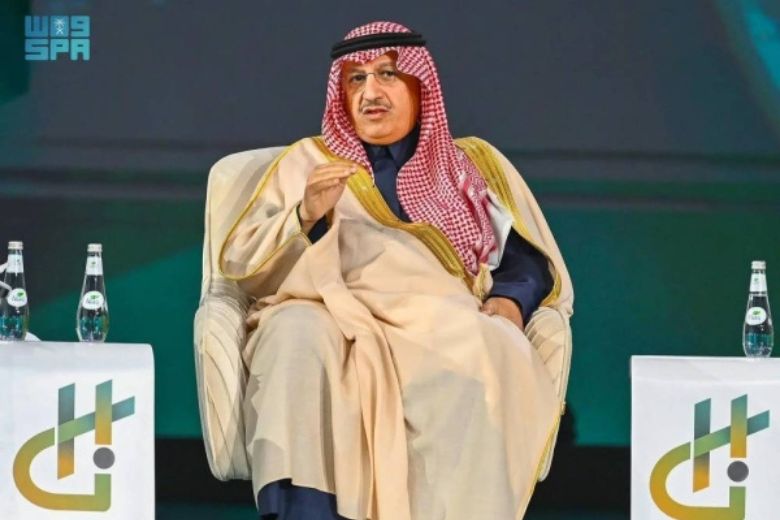
Abdulrahman Al-Ruwaili, CEO of the NCC, told the SPA that these changes represent a fundamental shift. He said:
“The curriculum is no longer confined to textbooks, but encompasses all student experiences, positioning books as just one tool within a broader educational environment.”
Students will engage with interactive and age-appropriate modules, moving from simple coding concepts in primary school to advanced data analysis and ethical discussions in secondary and vocational tracks. AI learning outcomes will also be included in the national student performance assessment system, placing digital literacy on par with traditional subjects.
Why It Matters Now
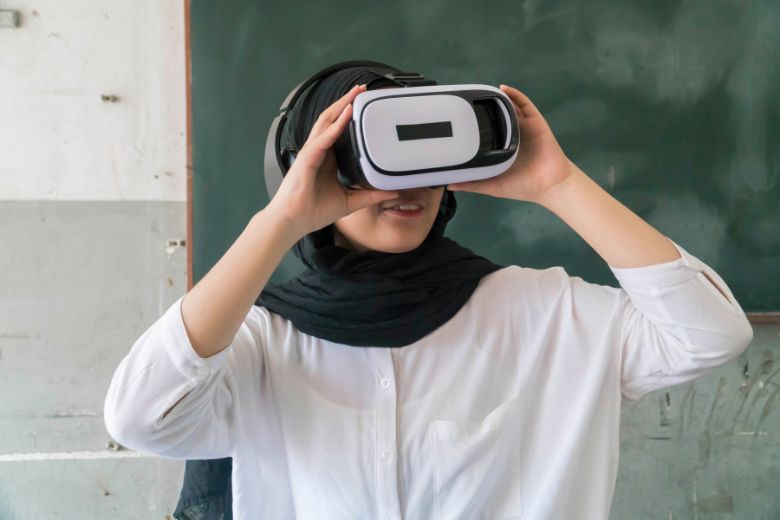
AI will form part of national student performance assessments.
Saudi Arabia has already piloted AI teaching through the Introduction to Artificial Intelligence course for secondary students, launched earlier this year during the Human Capability Initiative conference. That pilot laid the groundwork for this national expansion.
The inclusion of AI in formal student assessments underscores its importance. Just as literacy and numeracy are fundamental, AI literacy will now be considered a cornerstone skill.
Beyond Reform, A New Path Forward
This is more than curriculum reform. It is a systemic redefinition of education in the AI era, positioning Saudi Arabia as a regional and global leader in future-focused learning. By placing AI in the hands of every student, the Kingdom is preparing a generation not just to consume technology, but to shape it.
For more information please visit:
Further Reading:
- Saudi Arabia Tightens Regulatory Framework for Private Schools with New Infrastructure Standards
- Saudi Cabinet Approves University of Strathclyde Branch in Riyadh to Boost Higher Education Sector