










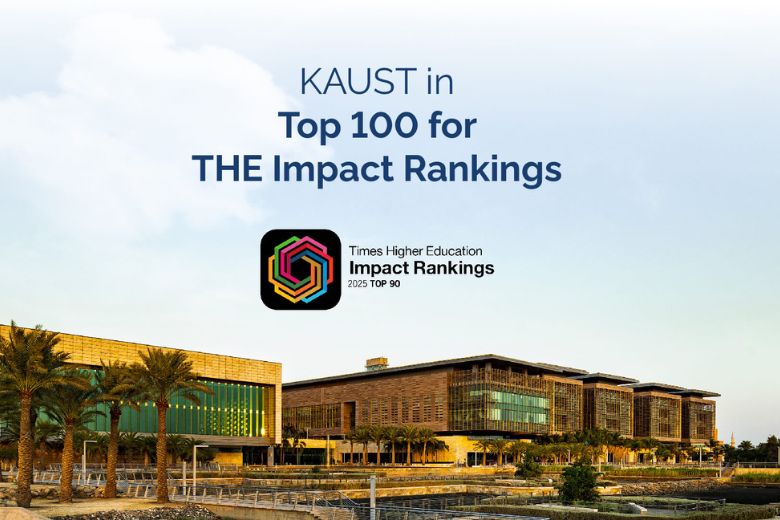
Saudi Arabia continues to consolidate its position as a higher education leader in the Arab world, with nine universities ranked among the top 20 in the Times Higher Education Arab University Rankings 2026. The latest results highlight the Kingdom’s growing strength in research quality and international outlook, reflecting sustained investment and long-term strategic focus.
Kristian Coates Ulrichsen, fellow for the Middle East at Rice University, observed that research in the Kingdom has “taken off” in recent years. He noted that Saudi universities in the top 20 achieved an average score of 90 out of 100 for research quality, describing the sector as “undergoing a strategic transformation to try and realign research into supporting Vision 2030”.
Leading Institutions at the Top
King Abdullah University of Science and Technology retained its number one position for the third consecutive year. The postgraduate focused institution continues to be recognised for its world class research output and global scientific impact.
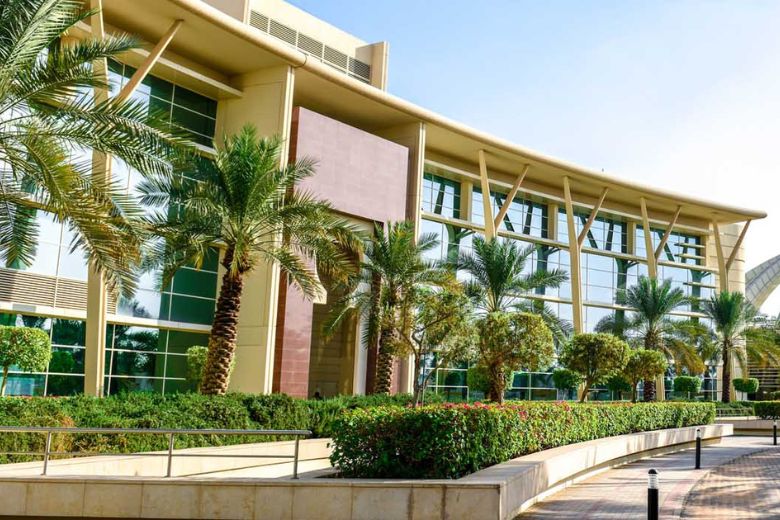
King Fahd University of Petroleum and Minerals ranked second, reinforcing its long-standing reputation in engineering, energy, and applied sciences. King Saud University and King Khalid University also placed strongly, underscoring the breadth of academic excellence across Saudi Arabia’s higher education system.
Vision 2030 and the Long Term Higher Education Strategy
In total, 34 Saudi universities were included in the 2026 rankings, with all but two appearing within the top 100. Times Higher Education noted that Saudi institutions perform particularly well in research quality and international outlook, reflecting efforts to attract global talent, expand international partnerships, and align academic output with national development priorities.
Higher education remains a central pillar of Vision 2030, which seeks to diversify the economy and align education outcomes with labour market needs. The national strategy set an ambitious target to place at least five Saudi universities among the world’s top 200, supported by significant public investment.
Cameron Mirza, chief of party at the International Research and Exchanges Board, said the Kingdom is
“The Kingdom is really gearing itself up to become an innovative, dynamic and entrepreneurial economy, which really needs to be fuelled by a high performing higher education system”.
Progress, Partnerships, and the Road Ahead
While Saudi Arabia’s progress is evident, experts quoted by Times Higher Education caution that movement in global rankings takes time. Sam Armenta Butt, senior data scientist at Times Higher Education, described Saudi Arabia as being on an “upward trajectory” but noted that “a significant jump would need to be made” to match countries with longer established higher education systems.
Simon Marginson, professor of higher education at the University of Oxford, highlighted the importance of embedding universities into society, stating that institutions have the greatest impact when education “matters to families and the economy”. He added that Saudi Arabia’s investments hold strong potential, but represent “generational shifts” rather than short term gains.
Times Higher Education concludes that Saudi Arabia is building momentum at pace. While comparisons with countries such as China reveal differences in scale and history, the Kingdom’s relatively young higher education system has proven agile and well resourced. As research capacity deepens and international partnerships expand, Saudi universities are increasingly positioned to shape the region’s academic and innovation landscape.
For more information, visit
Further Reading:
- Red Sea Global Pioneers Employment-Focused Education for Saudi Tourism
- Saudi Education Spending Surges to SAR 1.03 Billion as Schools Reopen