











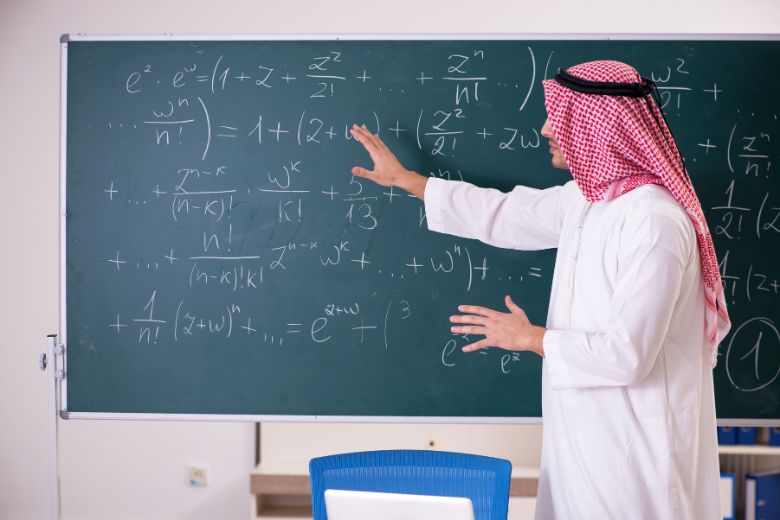
Saudi Arabia’s new academic year has brought with it a major shift in how time is structured in classrooms. For the 2025–2026 academic year, public schools across the Kingdom have returned to a two-semester system, replacing the three-term model introduced only a few years ago.
The decision, approved by the Saudi Cabinet and announced by the Ministry of Education, comes after careful review and consultation with educators, students, and families. It is designed to balance international benchmarks of 180 instructional days per year with the regional realities of the Kingdom, especially in areas shaped by pilgrimage and seasonal demands.
Why This Is Significant?
The three-semester system, while meeting global standards, was viewed as rigid in certain regions. Cities such as Mecca, Medina, Jeddah, and Taif, which carry the unique rhythms of Hajj and Umrah, faced particular challenges in aligning school schedules with cultural and religious obligations.
By moving back to two semesters, Saudi Arabia is giving schools more flexibility while still ensuring the academic rigour required to remain aligned with OECD and G20 averages.

The Calendar at a Glance for the 1447/1448 Academic Year
| Key Dates | Details |
| First day of school | 1 Rabi’ Al Awwal 1447H (10 Aug 2025) |
| Regional start | Mecca, Medina, Jeddah, Taif begin 8 Rabi’ Al Awwal |
| Breaks | 9 breaks: National Day, Foundation Day, Eid holidays |
| Ramadan | 14 instructional days with shortened hours |
| Holiday days | 59 days excluding summer break |
- Two-semester calendar reinstated from 2025–2026
- 180 instructional days maintained annually
- Tailored schedules for pilgrimage-heavy regions
- Four-year roadmap released through to 2029–2030
A Roadmap for Four Years
The Ministry of Education has released a clear four-year academic calendar that locks in the two-semester system until 2030. Highlights of each academic year include:
- Two terms, 59 holiday days (excluding summer break)
- Continuation of the two-term model with similar holidays
- The two-term format allocates time-off to align with national and religious breaks
- Includes a dedicated spring break in addition to Eid and other holidays
The roadmap continues through to 1451H (2029–2030), with each year including strategically placed breaks to support student well-being and teaching effectiveness.
Beyond the Calendar
While this decision represents a significant structural change, the Ministry was clear that true educational quality rests on more than the number of terms. Teacher training, curriculum innovation, governance, and learning environments remain central to improving outcomes. A Ministry statement emphasised,
“Educational quality depends more on teacher preparation, curriculum development, and strong school environments than on the number of semesters alone.”
The two-semester model is not a step back but a recalibration that allows schools to maintain global standards while respecting the unique demands of the Kingdom’s cultural and religious life.
Towards a More Flexible System
This move reflects a student-centred and region-sensitive approach. By aligning instructional days with international best practice while giving flexibility where it is most needed, Saudi Arabia is showing how education reform can be both rigorous and adaptable.
The result is an academic system that is globally competitive yet deeply rooted in local context. For families, teachers, and students, it promises a rhythm of learning that feels both sustainable and inspiring.

Education Saudi will continue to track how schools and regions adapt to this new academic structure, and what it means for the broader vision of education under Vision 2030.
For more information regarding updates from the Ministry of Education, visit the website below:
Further Reading:
- Madrasati: A Saudi Digital Education Model Shaping the Future of Learning
- Saudi Cabinet Approves University of Strathclyde Branch in Riyadh to Boost Higher Education Sector